Tree Service · Frisco, TX
Arborist Consulting in Frisco, TX
A written report is the product on this page — not a cut, not a hauled load, just a documented, defensible read of what a tree is doing and what it's likely to do next. Tree Service Frisco Woods Co has coordinated that documentation work — arborist-led tree risk assessment, health and structural evaluation, and preservation planning — across Frisco, Prosper, Little Elm, The Colony, and the wider Collin and Denton County for 15 years, with calls answered 24 hours a day.
Most engagements start from a question someone else is going to ask: an HOA wants a written opinion before approving a removal, an insurer wants a documented risk finding after a claim, a buyer's inspection period turns up a leaning oak and nobody wants to guess, or two neighbors disagree about a tree straddling a property line. The assessment itself follows TRAQ methodology — Tree Risk Assessment Qualification — walking through likelihood of failure, likelihood of impacting a target, and consequence, then puts the finding in writing rather than leaving it as a verbal opinion nobody can act on later.
This page covers assessment, inspection, and written reporting specifically — a tree that's already been read and needs treatment belongs on tree health care instead, where diagnosis moves straight into fungicide injection or root-zone work. Consulting matters most right now because Frisco grew from roughly 6,100 residents in 1990 to 200,509 by 2020, and that pace of building means a steady stream of lots where a preservation plan has to exist before the first foundation is poured.
The read changes by soil and by lot. Frisco and Prosper's Blackland Prairie clay stresses root systems differently than the sandier Eastern Cross Timbers ground toward Little Elm and The Colony, and a consulting engagement accounts for that before a single recommendation goes on paper. Call (469) 238-1159 and a written scope comes back before an arborist ever sets foot on the property.
What We Do
How We Scope a Consulting Engagement
Not every consulting call needs the same document. Here's how an engagement gets classified before the site visit is even scheduled.
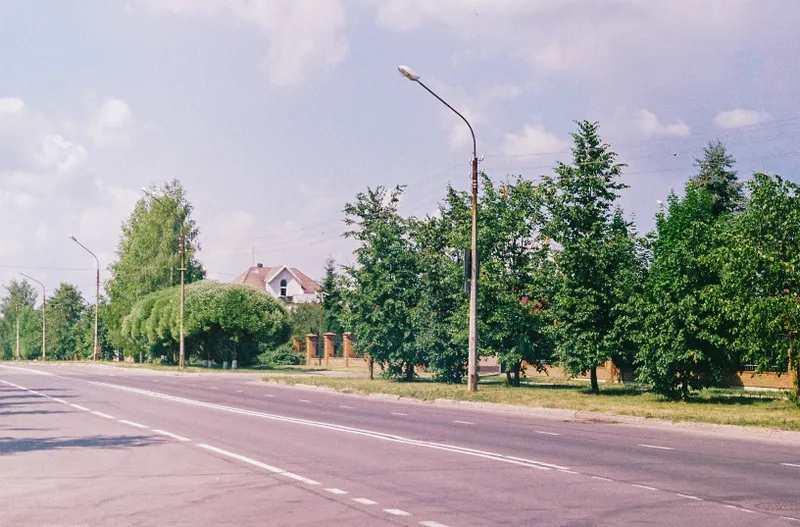
Tree Risk Assessment (TRAQ Methodology)
A risk assessment walks the TRAQ sequence in order: likelihood of failure — checking lean, root-plate condition, and decay indicators — likelihood the failure reaches a target such as a home, driveway, or power line, and the consequence if it does. Each factor gets a documented rating rather than a gut call, and the write-up states plainly whether a tree reads as low, moderate, high, or extreme risk under that framework.
This is the report an HOA, property manager, or nervous buyer usually asks for by name.

Health & Structural Inspections, Written Up
A structural inspection covers what a risk read alone doesn't — co-dominant stems, included bark, girdling roots, and canopy asymmetry that points toward a future failure years out rather than an immediate one. Where oak wilt or emerald ash borer is suspected, the inspection notes it and hands off to tree health care for the diagnosis and treatment plan, since this page's report documents condition rather than administers it.
Every finding is photographed and dated, not just described.
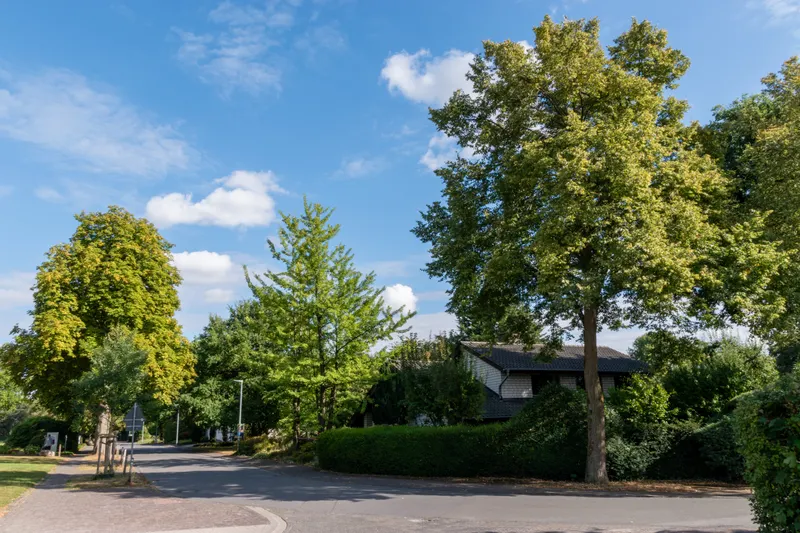
Tree Preservation Plans for Construction & Development
A preservation plan maps every protected-caliper tree on a lot before grading starts — critical root zone, fencing lines to keep equipment off the root plate, and which specimens the plan recommends keeping versus clearing. Frisco's building boom, which took the city from roughly 6,100 residents in 1990 to over 200,000 today, means new-construction and remodel lots run into the city's tree preservation ordinance constantly, and the plan is what a permit reviewer actually asks to see.
The same plan gets adapted for Prosper and The Colony's own local tree ordinances.
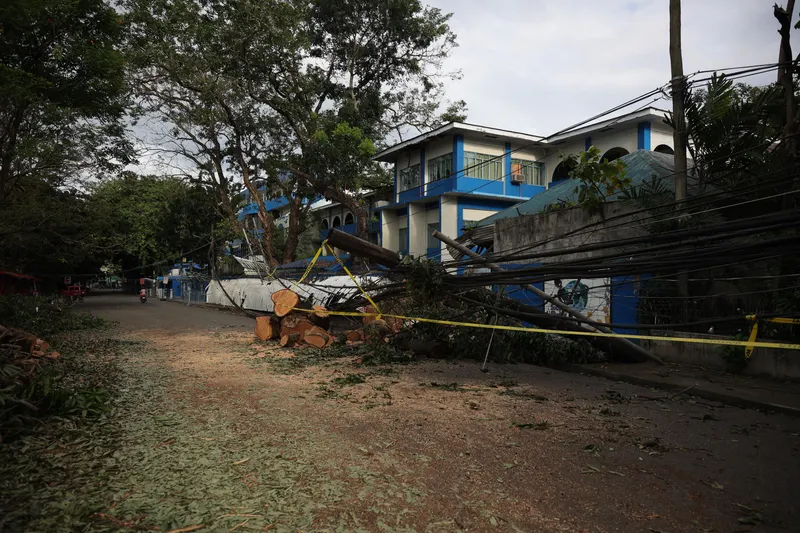
Real-Estate, Insurance Claim & Dispute Reports
A pre-purchase inspection, a post-storm insurance claim, and a boundary-line tree dispute all call for the same thing: an independent written finding neither side authored. The report states the tree's condition as observed on a specific date, the method used to reach that finding, and a plain-language recommendation, formatted so it holds up when read by someone who never saw the tree.
Turnaround is scoped up front rather than left open-ended, since these reports usually sit on someone else's deadline.
The Benefits
What a Documented Read Actually Protects
A consulting report isn't paperwork for its own sake — here's what having one in hand changes.
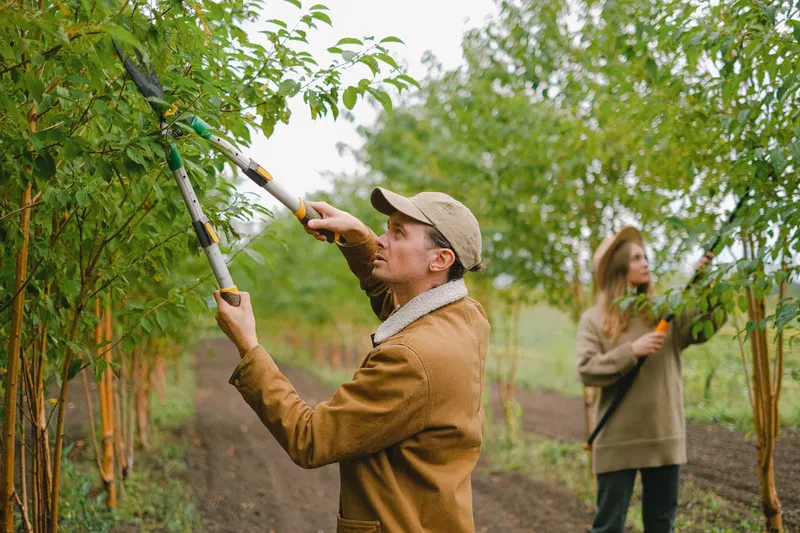
Documentation That Holds Up With a Third Party
An HOA board, an insurance adjuster, or a title company doesn't want a verbal opinion — they want a dated, methodical write-up they can attach to a file. A TRAQ-based finding gives a third party something specific to act on instead of a homeowner's word against a neighbor's, which is often the difference between a claim getting resolved and one getting stuck in back-and-forth for months.
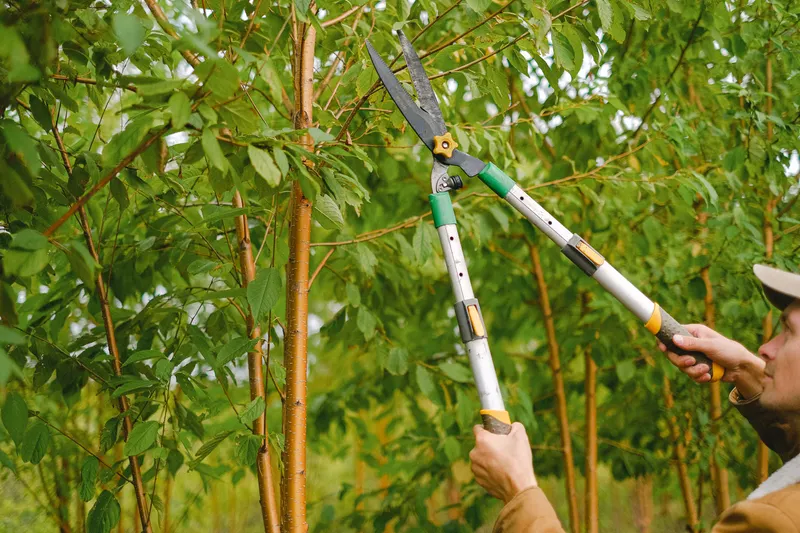
Protecting Mature Trees Through a Build
A preservation plan filed before grading starts is what keeps a mature oak on a Frisco or Prosper lot from becoming collateral damage to a foundation pour or a utility trench. Root damage from construction traffic often doesn't show up as decline for a year or more, by which point the tree is already compromised — the plan's fencing and root-zone limits exist specifically to prevent that delayed failure.
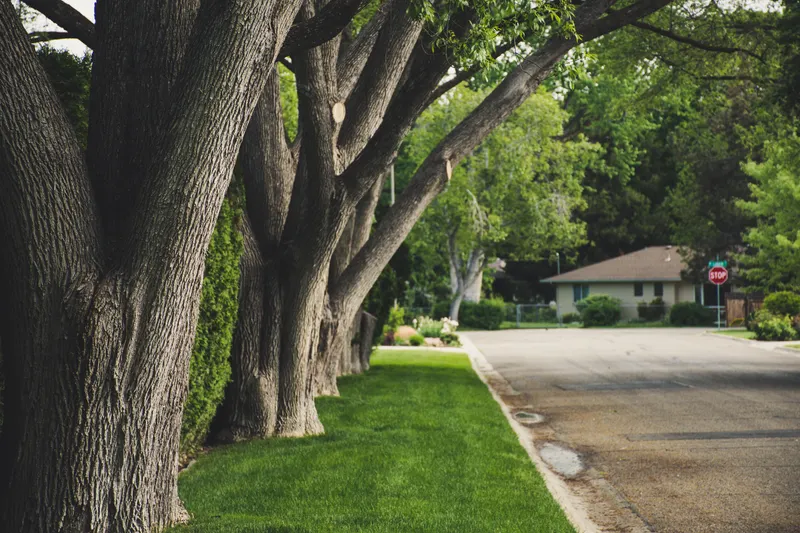
A Second, Independent Opinion Before a Big Decision
A 60-foot pecan slated for tree removal is not a small decision, and a consulting inspection exists to confirm the call before the saw shows up — sometimes the finding supports cabling and bracing or continued monitoring instead. That independent read costs far less than a removal reversed too late, and it puts the reasoning in writing either way.
Not sure whether a tree needs documentation or treatment right now? Tree health care covers active oak wilt and emerald ash borer diagnosis once a pathogen is already suspected, and tree removal covers a tree a report has already flagged as past saving. For the complete list coordinated across Frisco and Collin & Denton County, see our services — the same Frisco arborist team behind every written finding here.
Frequently Asked Questions
What does a TRAQ-based tree risk assessment actually cover?
The TRAQ methodology — Tree Risk Assessment Qualification — walks a tree through three factors: likelihood of failure, based on lean, root-plate condition, and decay; likelihood that a failure would reach a target such as a house, driveway, or power line; and the consequence if it does. Each factor gets a documented rating rather than a verbal impression, and the final write-up states the overall risk level as low, moderate, high, or extreme. It's the same framework whether the tree is a single backyard oak in Frisco or a row of pecans along a Prosper property line.
When does a property actually need a written arborist report instead of a phone estimate?
A phone estimate is fine for a straightforward removal or trim, but a written report becomes necessary the moment a third party — an HOA, an insurance adjuster, a title company, or a buyer's inspector — needs something to attach to a file. It's also the right call before a construction permit application, since Frisco's tree preservation ordinance generally wants a documented plan, not a verbal assurance. A dispute with a neighbor over a shared or boundary tree is the third common trigger, since a dated, independent finding carries weight a homeowner's own opinion doesn't.
How is arborist consulting different from the tree health care service?
Consulting produces a documented finding — a risk rating, a structural inspection, or a preservation plan — while tree health care diagnoses a specific pathogen or pest, like oak wilt or emerald ash borer, and moves straight into treatment such as fungicide injection or deep-root fertilization. A consulting engagement sometimes flags a health issue and hands it off to that page for treatment, but the report itself is the deliverable here, not the injection. Someone who already knows a tree is sick usually wants tree health care; someone who needs a documented opinion for a third party wants consulting.
Do builders and developers need a tree preservation plan before construction in Frisco?
Frisco's tree preservation ordinance protects trees above a set trunk caliper on developed lots, and a preservation plan is generally what a permit reviewer wants to see before grading starts on a lot carrying qualifying trees. The plan maps each protected tree's critical root zone, sets fencing lines to keep equipment and material staging off the root plate, and states which specimens the project proposes to keep versus remove. Prosper and The Colony each enforce their own version of a tree ordinance, so the plan gets scoped to whichever city and county the address actually falls in before anything is filed.
Can a consulting report be used for an insurance claim or a legal dispute?
Yes — an independent, dated arborist report is standard supporting documentation for a storm-damage insurance claim, a pre-purchase real-estate dispute, or a boundary-line disagreement between neighbors over a shared tree. The report states the tree's observed condition on a specific date, the assessment method used to reach that finding, and a plain-language recommendation, written so it makes sense to an adjuster or attorney who never saw the tree in person. Turnaround for these reports is scoped up front, since they typically sit on someone else's deadline rather than the property owner's.
How does Frisco's tree preservation ordinance affect a consulting engagement?
The ordinance protects trees at or above a set trunk caliper on developed Frisco lots, meaning a qualifying tree generally can't be removed without a permit, and removal can carry a mitigation requirement like replacement plantings or a payment into the city's tree fund. A consulting report documents which trees on a lot meet that threshold, which is exactly what a permit application needs attached. Prosper, Little Elm, and The Colony each run their own version of this rule, so the specific city and address get confirmed before any recommendation is finalized.
Does the assessment change between a Prosper acreage lot and a Little Elm lakefront property?
Substantially. Prosper's larger, semi-rural lots often carry bigger, older specimen oaks and pecans where a structural inspection has more canopy and root-plate history to work through, while Little Elm and The Colony sit on sandier Eastern Cross Timbers soil near Lewisville Lake, where cottonwoods, cedar elm, and bottomland hardwoods behave differently under wind and water exposure than Blackland Prairie clay species. A risk assessment on a lakefront or canal-front lot also has to weigh open-water wind exposure, which doesn't factor into a typical Frisco subdivision read. The methodology stays the same across all of it — TRAQ's three factors — but what each factor turns up locally does not.
Do HOAs actually request these reports, and what are they looking for?
Yes — a homeowners association board reviewing a resident's removal request, or deciding whether a common-area tree is a liability, regularly asks for a written risk finding before approving anything. What they're looking for is a documented, third-party rating rather than the homeowner's own description of the problem, since that protects the board from a decision made on incomplete information. A TRAQ-based report gives the board a specific risk level and a dated record it can point back to later if the decision is ever questioned.
How long does an assessment and written report take?
A standard on-site assessment for one to a handful of trees typically takes under an hour of field time, with the written report following within a few business days depending on how much documentation the request needs — a simple risk rating turns around faster than a full construction-site preservation plan covering dozens of trees. Larger commercial or new-development engagements, common near Frisco's growing commercial corridors, run longer since every protected-caliper tree on the lot has to be individually mapped and rated. Rush turnaround for an insurance claim deadline or a real-estate closing date is scoped on the initial call.
What happens after the report comes back — does that determine what work gets done?
The report's recommendation is what the next step is scoped from: a low-risk finding often means no action beyond continued monitoring, a moderate structural finding might point toward cabling and bracing to reinforce a weak union, and a high or extreme risk rating typically leads to tree removal. Because the consulting arm and the removal and health-care crews are coordinated through the same company, the report converts directly into a scheduled job rather than a homeowner having to shop the recommendation out to a second contractor. The written record also stays on file if the same tree gets reassessed down the line.
Get a Written Arborist Report
TRAQ-based risk read, structural inspection, or a preservation plan — documented and dated. Call (469) 238-1159, 24/7.
(469) 238-1159