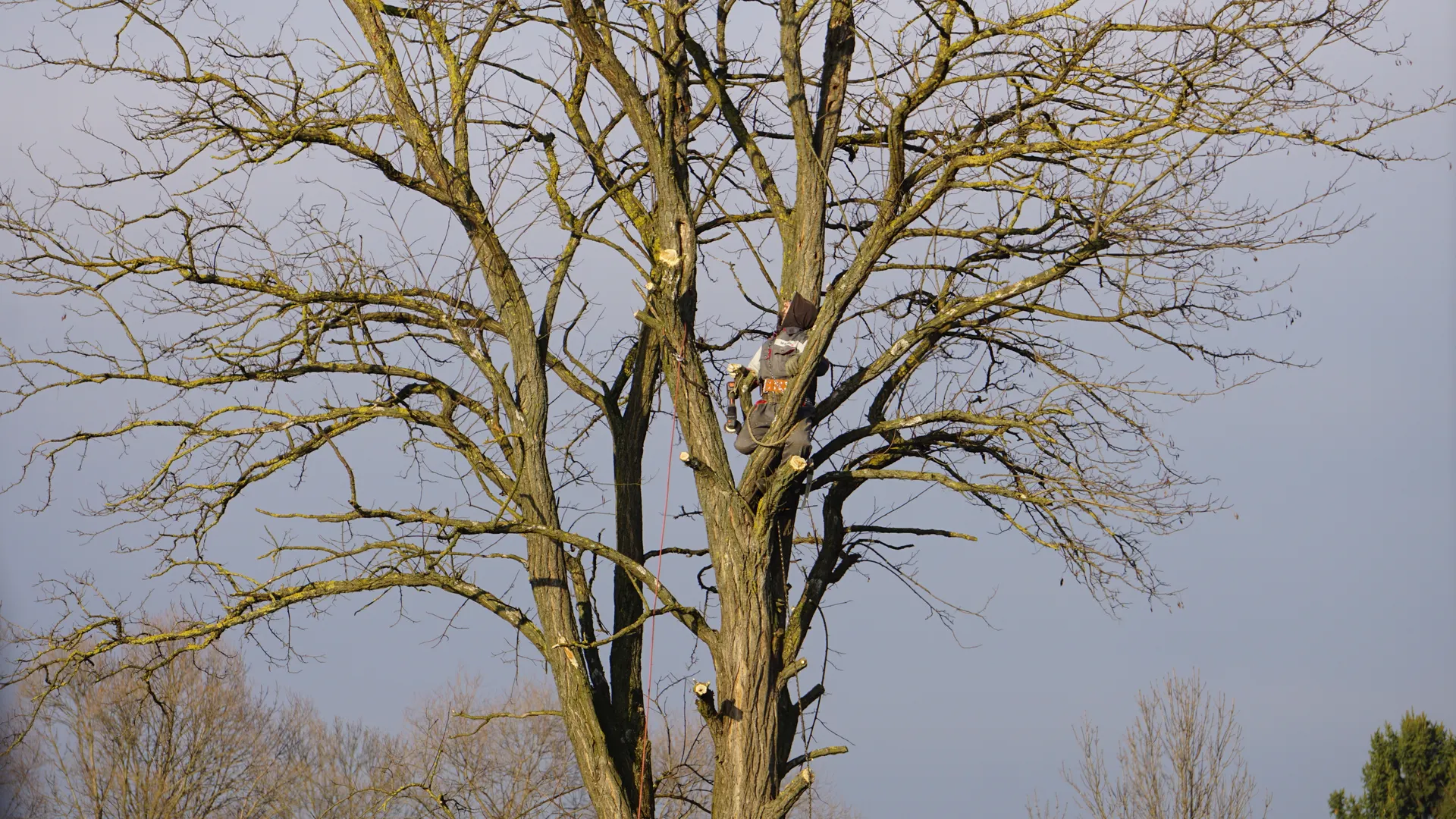
Tree Service · Frisco, TX
Tree Health Care & Arborist Services in Frisco, TX
Before treating anything, an arborist reads a struggling tree like a diagnostic exam: which side of the canopy is thinning, what the bark and cambium reveal, whether the root flare at the base is buried or girdled, and what the soil beneath it is doing to the roots. That canopy-bark-root flare-soil sequence is the backbone of every visit Tree Service Frisco Woods Co runs across Frisco, Prosper, Little Elm, The Colony, and Collin and Denton County — 15 years running it, calls answered 24 hours a day.
Oak wilt, confirmed in 76 Texas counties, is the pathogen this method was built around. It spreads two ways at once — above ground when sap-feeding beetles carry spores from an infected oak's fungal mat to a fresh wound, and below ground through root grafts connecting neighboring oaks, which is why the diagnosis maps the whole stand, not just one tree. It's also why pruning oaks gets avoided February through June, when the beetle vector is most active.
Emerald ash borer works from the inside out. Larvae tunnel under the bark, girdling a tree's water-and-nutrient system slowly enough that canopy dieback is often the first visible sign — by which point the damage is already extensive. Confirmed in the Dallas metro and Rockwall County, EAB puts the area's mature green ash squarely in its path, and a diagnosis catching it early makes trunk injection with emamectin benzoate, done in under an hour per tree, a real option.
Hypoxylon canker is different — an opportunistic fungus that only moves in once drought and Frisco's expansive Blackland clay have already stressed a hardwood's root system. Diagnosing it means confirming that stress, not just the fungus. Deep-root fertilization, vertical mulching, and air-spading treat it directly, adjusted toward Little Elm and The Colony, where sandier, lakeside soil changes what's growing and how it fails.
What We Do
Diagnosis and Treatment, Broken Down by What's Actually Wrong
A tree that looks sick here is rarely sick from one cause. Here's how the diagnostic read and the treatment plan differ by pathogen and by what's happening underground.
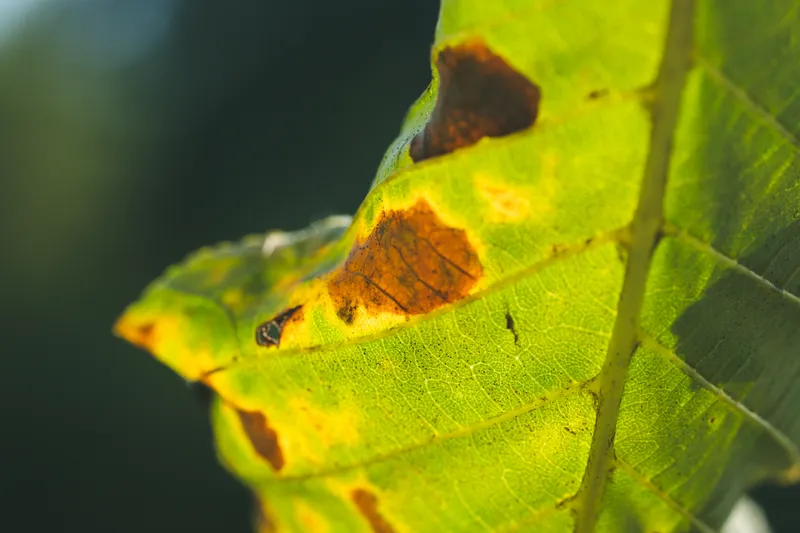
Oak Wilt: Reading the Canopy, Confirming the Spread
Live oaks show oak wilt as veins yellowing while tissue between them stays green, then rapid leaf drop; red oaks decline faster, sometimes with a fungal mat visible under loosened bark. Confirming it means checking that mat and mapping which neighboring oaks share a root graft, since the disease moves underground as readily as it moves by beetle. Early cases get propiconazole fungicide injected into the trunk, paired with trenching to sever root grafts to an infected neighbor — never February through June, when the beetle vector is most active.
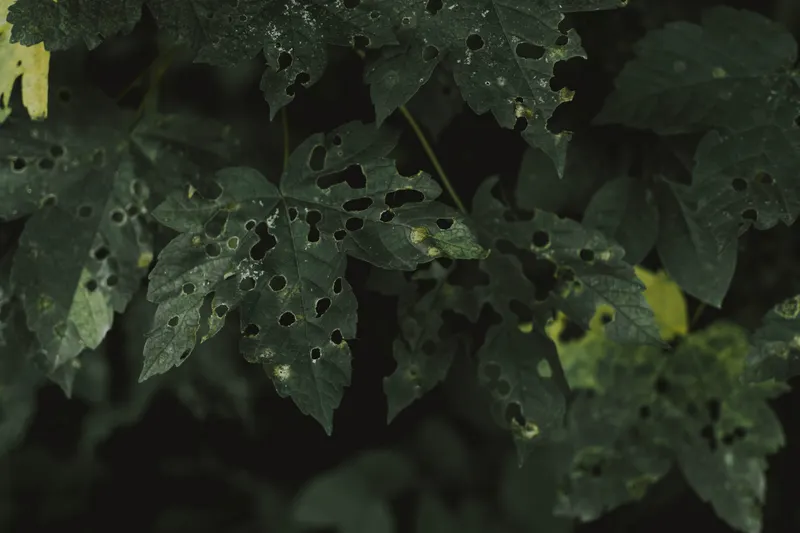
Emerald Ash Borer: Confirming Larvae Under the Bark
EAB feeds under the bark, so confirmation relies on indirect signs: D-shaped exit holes, dieback starting in the upper crown, and bark split where woodpeckers have already gone after larvae underneath — evidence that usually means the girdling has been underway a while. Confirmed in the Dallas metro and Rockwall County, it puts any mature green ash in Frisco, Prosper, Little Elm, or The Colony at risk. A tree caught early is a strong candidate for trunk injection with emamectin benzoate, repeated on a multi-year cycle rather than a one-time fix.
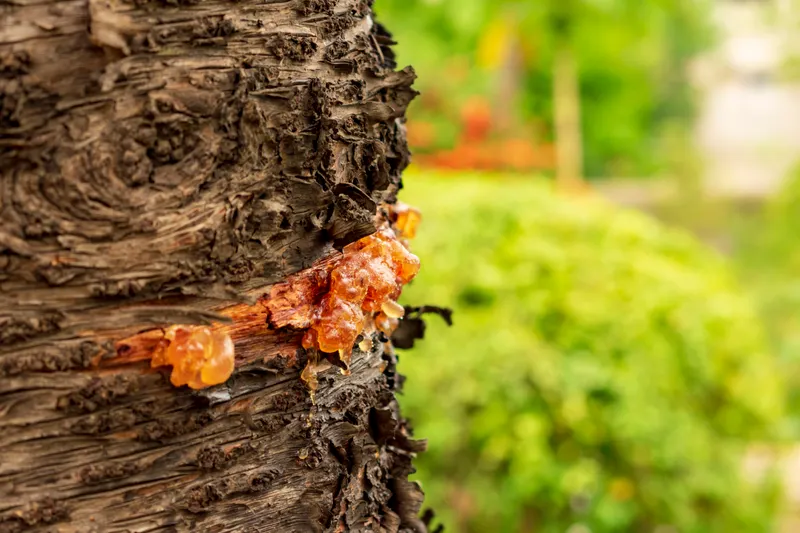
Hypoxylon Canker & Drought Stress: Separating the Two
Hypoxylon canker shows as a gray-to-black crust over dead bark and cambium, almost always on a hardwood already weakened by drought or heat — so the diagnosis has to confirm that underlying stress, not just note the fungus. Frisco and Prosper's expansive Blackland clay, swelling after rain and shrinking hard through summer, is a big part of why that stress builds. Where it's caught early with healthy tissue still to work with, treatment targets the stress itself — deep-root fertilization and soil care — since hypoxylon rarely responds to fungicide the way oak wilt does.
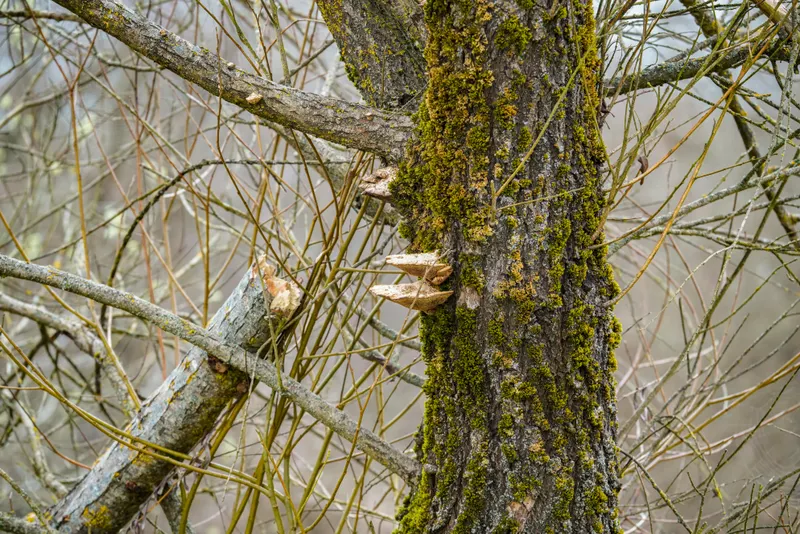
Root & Soil Diagnostics: Deep-Root Fertilization, Vertical Mulching & Risk Assessment
A lot of decline that never gets a disease name traces to the root flare and the soil around it — compacted clay, a flare buried too deep, roots that never corrected after planting. Deep-root fertilization delivers nutrients straight into that zone; vertical mulching and air-spading loosen compacted soil with compressed air instead of a root-cutting shovel. Where the finding is structural instead — co-dominant stems, a shifted root plate — a formal structural risk assessment takes over.
The Benefits
Why Getting the Diagnosis Right Pays Off
Treating the wrong problem costs a tree time it doesn't have. Here's what an accurate, diagnosis-first read protects.
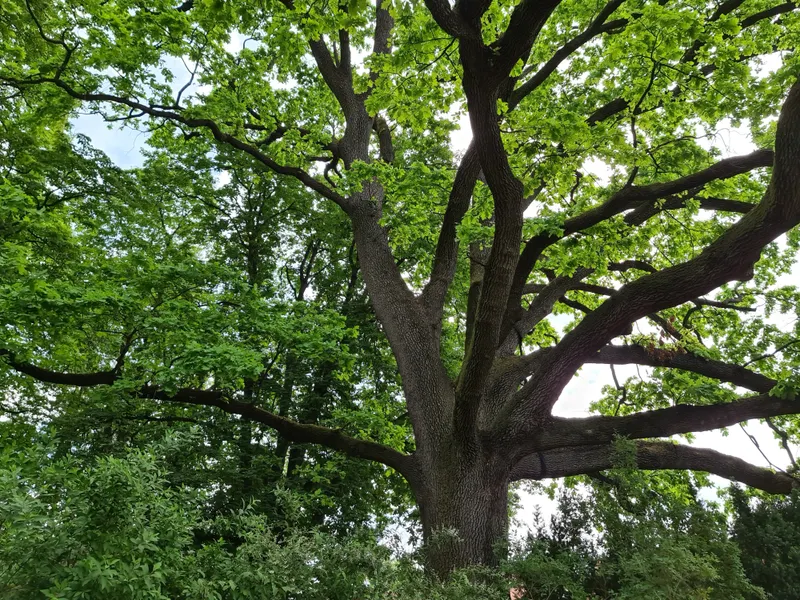
A Correct Read Saves Trees a Guess Would Lose
A forty-year-old live oak on a Prosper lot or a mature red oak in a Colony yard can't be replanted at any price. Catching oak wilt, EAB, or hypoxylon canker while a diagnosis still shows healthy tissue is what keeps that tree standing instead of becoming a removal case a season later — and that window closes faster than most homeowners expect.
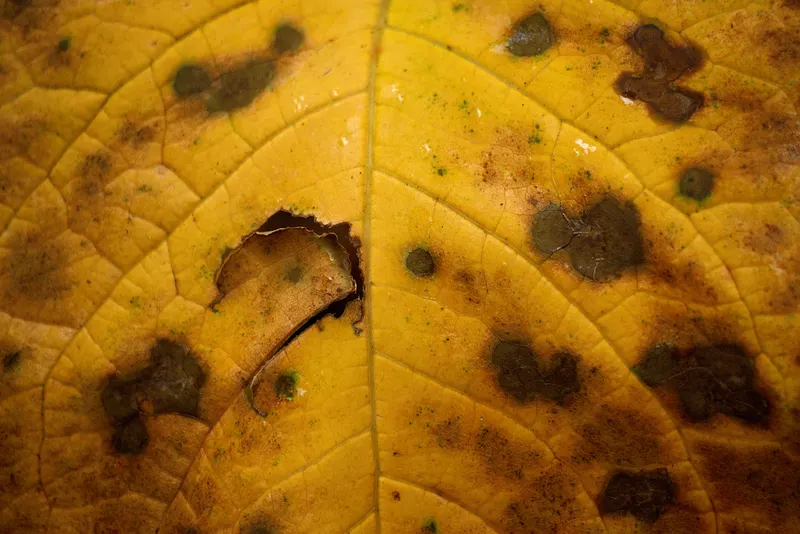
Treating the Pathogen, Not Just the Symptom on the Leaf
Thinning canopy and off-color leaves usually mean something else is wrong underground or biologically, and treating the visible symptom without confirming the cause rarely holds. The canopy-bark-root flare-soil sequence exists to separate a fungal problem from an insect problem from a soil problem before any treatment gets recommended, since propiconazole does nothing for compacted clay and fertilizer does nothing for a confirmed infection.
Stopping a Root-Graft Spread Before It Reaches the Next Yard
Oak wilt moves through root grafts between neighboring oaks, so an undiagnosed infected tree can quietly move into a neighbor's canopy — a real risk on Prosper's larger lots, where oaks are often planted in a row along one property line. Diagnosing those graft connections early and trenching to sever them protects more than the tree that prompted the call; it slows how fast oak wilt moves through an established block.
Why Us
The Credentials Behind Every Diagnosis
A diagnosis is only as good as the training behind it — this isn't general lawn-crew guesswork.
An Arborist Does the Read, Not a Sales Visit
Every diagnostic visit is led by a working arborist, with complex cases escalated to the most experienced diagnostician on the roster. The read is a sequence — canopy, bark and cambium, root flare, then soil — followed the same way every time.
A Formal Assessment Backs the Treat-or-Remove Call
When a diagnosis raises a structural question rather than a disease question, the answer comes from a formal structural risk assessment, not a visual guess from the ground. That matters most on a mature, high-value tree, where the call carries real consequences.
Injection Work Follows the Label, Not a Guess
Fungicide and insecticide trunk injections for oak wilt and EAB are restricted-use applications in Texas, and the product label is the legal document — dosage by trunk diameter, injection spacing, and seasonal timing are all set by it rather than by preference. We inject to label rate at the correct point in the season, because an off-label dose is both a legal problem and the reason a treatment fails — treatment applied off-label or by an uncertified hand can fail invisibly until it's too late to fix.
Wondering whether a struggling tree needs treatment or should come down instead? Tree removal covers a tree already too far gone to save, and tree trimming covers the structural pruning side of canopy care. For the complete list of what's coordinated across Frisco, Prosper, Little Elm, and The Colony, see our services — the same Frisco arborist team behind every diagnostic visit here.
Frequently Asked Questions
What does an arborist check first on a struggling tree?
The read starts with the canopy — which side is thinning, how fast, and whether color is changing before leaves drop — because the dieback pattern usually points toward a cause before any test is run. From there the arborist checks the bark and cambium for a fungal mat, exit holes, or a canker crust, then moves to the root flare to see whether it's buried, girdled, or exposed. Soil condition comes last, since compacted clay often explains stress with nothing to do with disease. That sequence is what separates a documented diagnosis from a guess.
What does bark and cambium tissue reveal about oak wilt versus normal decline?
A suspected oak wilt case gets checked at the bark for a fungal mat — a spore-producing structure that sometimes forms under loosened bark on a recently killed red oak — along with vascular streaking visible if a small sample is taken. Ordinary drought or age-related decline doesn't produce that mat or streaking, which is one of the clearest ways to separate the two without a lab. Red oaks show this evidence faster than live oaks, which decline more slowly. Finding the mat also flags a biosecurity step, since it can carry spores to a new location.
Why is the root flare checked before any treatment plan is written?
The root flare, where the trunk widens into the roots, tells an arborist a lot the canopy can't: whether the tree was planted too deep, whether girdling roots are strangling the trunk, and whether grade changes or construction traffic compacted the soil right where the tree needs it loosest. A buried or girdled flare can show the same canopy symptoms as oak wilt, but the treatment is completely different — soil and root correction instead of fungicide. Skipping the check risks treating a disease that isn't there, or missing a mechanical problem no fungicide will fix. It's a short check that changes the entire plan.
How does Frisco's clay soil factor into a tree health diagnosis?
Most of Frisco and Prosper sits on Blackland Prairie clay, an expansive soil that swells after rain and shrinks hard through a dry summer, and that movement tears at root systems in a way that reads as generalized stress rather than a specific disease. That stress is exactly what opens the door to hypoxylon canker, an opportunistic fungus that attacks hardwoods already weakened by something else. A diagnosis here routinely has to rule out soil-driven stress before assuming a pathogen is the primary cause, since deep-root fertilization treats the clay problem directly while a fungicide wouldn't. Toward Little Elm and The Colony, where soil turns sandier near Lewisville Lake, that same check reads differently.
What's the actual difference between confirming oak wilt and assuming drought stress?
Drought stress shows up gradually and evenly across a canopy, tracking with a dry season, while oak wilt in a red oak can drop most leaves within weeks and sometimes produces a visible fungal mat under the bark. Live oaks show oak wilt more slowly, with veins yellowing while tissue between them stays green — a pattern drought stress doesn't produce alone. Because oak wilt spreads through root grafts and drought stress doesn't, confirming which is happening changes whether the whole stand needs evaluating. Getting that call wrong wastes a treatment or misses a spread risk.
How do you confirm emerald ash borer before recommending trunk injection?
Because larvae feed under the bark, the confirming signs are usually indirect: D-shaped exit holes about the size of a grain of rice, dieback starting in the upper crown, and bark split where woodpeckers have already gone after larvae underneath. By the time those signs show from the ground, the infestation has typically been established a season or more, which is why a mature ash in Frisco, Prosper, Little Elm, or The Colony is worth a proactive check. A confirmed early case is a strong candidate for trunk injection; a tree that's already lost most of its canopy usually isn't.
What sets hypoxylon canker apart from other hardwood problems?
Hypoxylon canker shows as a distinctive gray-to-black crust over dead bark once it's colonized the tissue underneath, almost always on a hardwood already stressed by drought or heat rather than one it attacked outright. That opportunistic pattern is the diagnostic clue — confirming hypoxylon means confirming the drought or root stress that let it in, not just the fungus itself. Because it rarely responds to fungicide the way oak wilt does, a confirmed case shifts the plan toward deep-root fertilization and soil care instead. Left alone, it's a common secondary killer of hardwoods already fighting Frisco's clay and drought.
How long does a diagnostic visit and treatment plan actually take?
A standard diagnostic visit — canopy read, bark and root-flare check, soil check — usually runs under an hour for one tree, with a written recommendation following the same visit. Trunk injection itself, once called for, typically takes under an hour per tree for oak wilt or EAB. Deep-root fertilization and mulching add time depending on how many injection points the root zone needs, but usually still wrap the same visit. A monitoring or treatment schedule for oak wilt or EAB runs as an ongoing, multi-year cycle rather than a single appointment.
Do you diagnose trees in Prosper, Little Elm, and The Colony, or just Frisco?
Diagnostic visits are coordinated across Frisco, Prosper, Little Elm, The Colony, and the surrounding Collin and Denton County towns, not just inside Frisco. The read changes by area — Prosper's large lots carry bigger, older oaks where root-graft mapping matters more, while Little Elm and The Colony's sandier soil shifts the read for different species. Oak wilt and EAB don't stop at a city line. See tree service in The Colony, TX for how it plays out there.
What happens once a diagnosis concludes a tree can't be saved?
If the read points to advanced oak wilt, extensive EAB girdling, or canker that's already compromised most of the trunk's live tissue, the diagnosis shifts to a removal recommendation, handled through tree removal instead. The work isn't wasted even then — confirming oak wilt still means checking whether neighboring oaks share a root graft needing trenching, and confirming EAB still matters for whether a healthy ash nearby should start preventive injection now. A tree past saving still generates a plan for what's around it.
Get a Diagnostic Tree Health Assessment
Canopy, bark, root flare, and soil — read by a working arborist. Call (469) 238-1159, open 24 hours.
(469) 238-1159