Tree Service · Frisco, TX
Stump Grinding in Frisco, TX
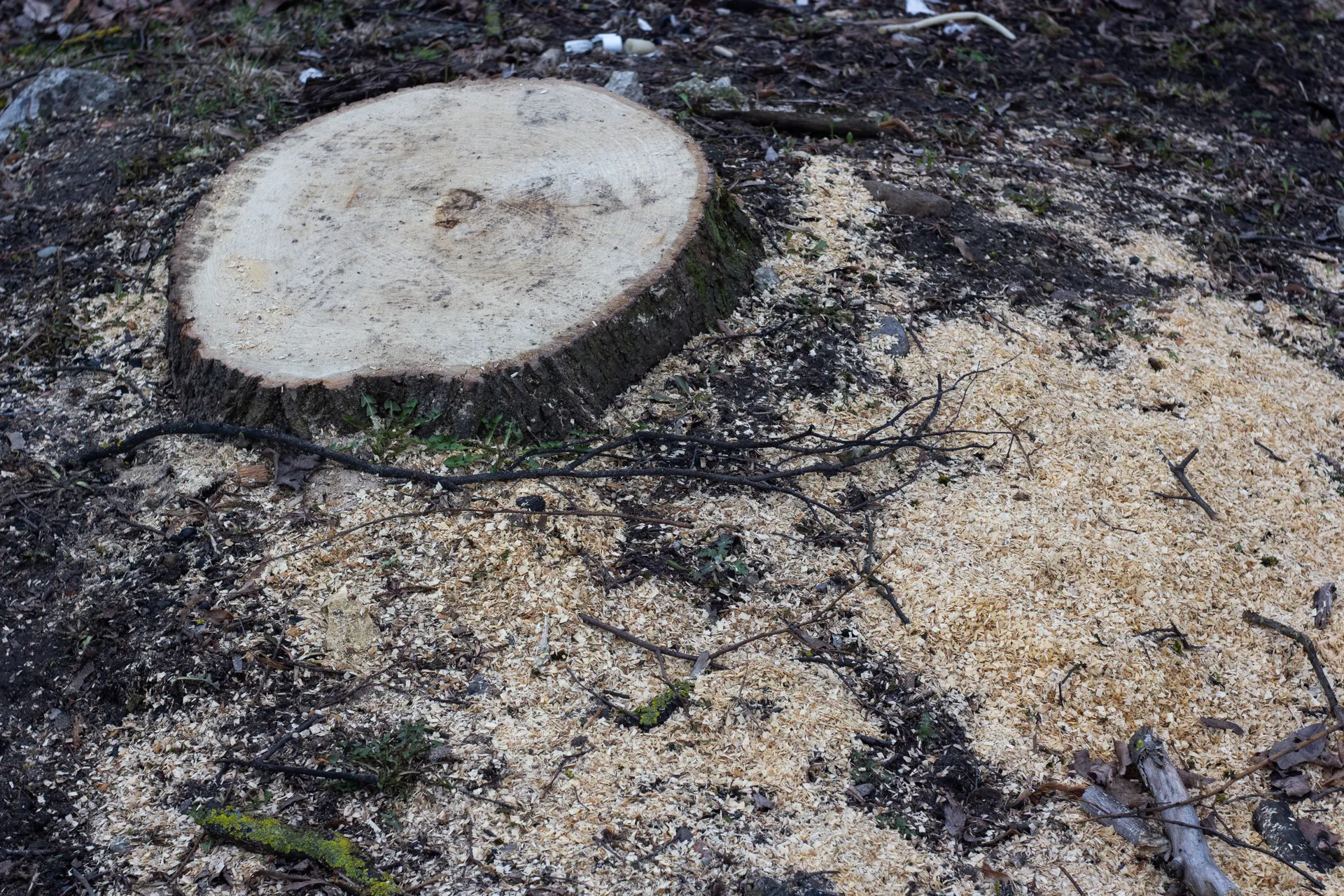
Stump grinding is a mechanical process, not a demolition one — a rotating cutting wheel studded with carbide teeth works down through the stump's face in successive passes, chewing wood into chips rather than pulling or blasting anything out. The wheel typically works four to twelve inches below grade, deep enough that remaining wood sits under where a mower blade, shovel, or new root system will ever reach, though the stump's deeper roots stay in the soil to decompose on their own. Tree Service Frisco Woods Co coordinates that grinding work — along with surface-root clearing, backfill, and cleanup — across Frisco, Prosper, Little Elm, The Colony, and the wider Collin and Denton County Metroplex, with 15 years of local coordination and calls answered 24 hours a day.
Grinding stays in steady demand across the area because so much removal work happens here in the first place. Frisco grew from about 6,100 residents in 1990 to 200,509 by 2020, and Prosper, Little Elm, and The Colony built out on a similar timeline, so the region's canopy — stressed by Blackland Prairie clay, spring storms, oak wilt, and emerald ash borer — produces a steady flow of removals, and every one leaves a stump unless grinding is scheduled at the same time. Left alone, a stump isn't inert: its root system keeps expanding for years, it can sprout suckers, and it becomes a soft target for wood-decay fungi and boring insects.
This page is specifically about what happens after the tree is already down — clearing the stump, the surface roots, and everything grinding leaves behind. If the tree is still standing, that's tree removal; ongoing care for the trees being kept is tree trimming & pruning. Grinding is its own mechanical process with its own equipment, and the mechanics — and the aftermath — are what this page walks through.
Pricing is measured the same way every time: diameter at the stump's widest point at grade, run against a $2-to-$5-per-inch rate with a roughly $300 minimum covering mobilization regardless of stump size. Oak, pecan, and other dense hardwoods run 20 to 30% above that baseline because denser wood takes longer to chew through. Once the grind reaches target depth, the aftermath gets handled in the same visit: chips are hauled off or left on-site as mulch on request, the cavity is backfilled and leveled, and the spot is left ready for sod, seed, or a newly planted tree.
What We Do
How a Stump Job Actually Breaks Down
The stump face, the surface roots, and the aftermath are three different pieces of the same job. Here's how each one is scoped and priced.
The Grind Itself: Depth, Passes, and Rate
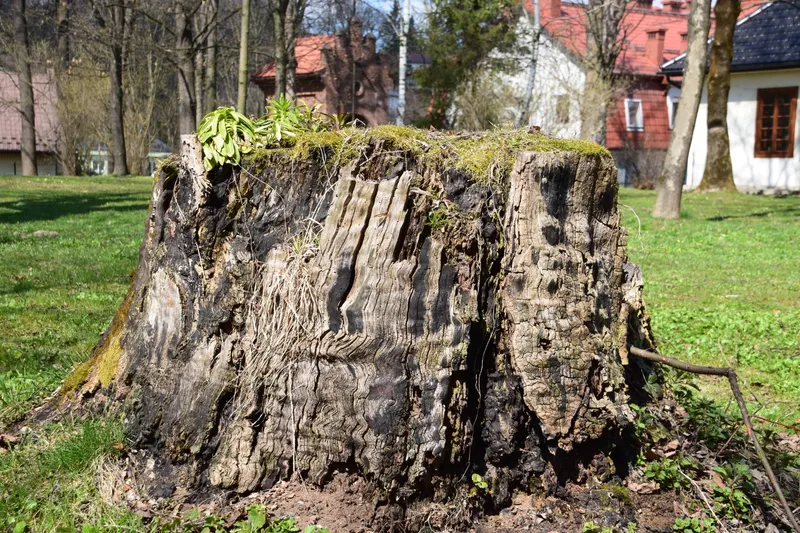
The grinder's cutting wheel works the stump face in repeated horizontal passes, dropping deeper each time until the stump sits four to twelve inches below grade — deep enough that future mowing, sod, or a shallow planting bed never contacts leftover wood. A typical stump takes 30 minutes to 2 hours depending on wood density, root spread, and care needed around nearby fences or hardscape.
Pricing runs $2 to $5 per diameter inch with a roughly $300 minimum, since mobilizing the grinder costs about the same whether the stump is 8 inches or 18.
Surface Root Grinding
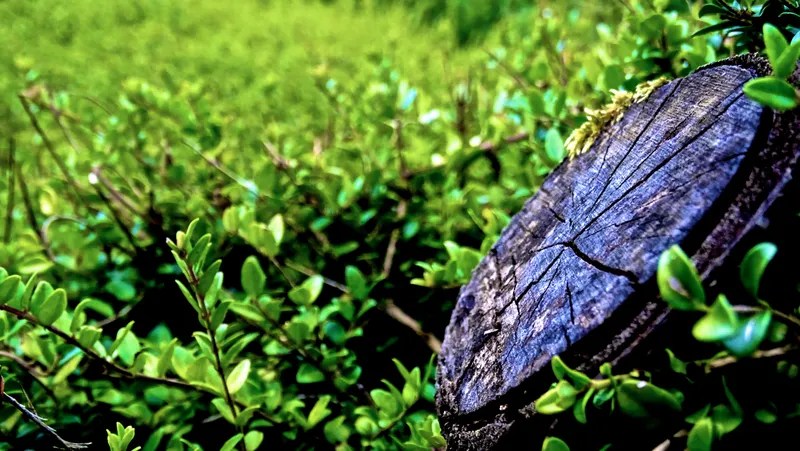
A stump's cutting face isn't the whole problem — large trees, especially oaks and pecans on Prosper's acreage lots and The Colony's mature 1980s core, send roots well beyond the stump, thickening with age until they lift sidewalks, driveways, and patio edges. Surface root grinding works those exposed roots down below grade, independent of whether the main stump is ground the same visit, restoring a flat, mowable surface and stopping the hardscape damage from spreading.
This is priced separately from stump grinding, since it often covers more linear footage than the stump's diameter alone reflects.
Full Stump Removal (Not Just Grinding)
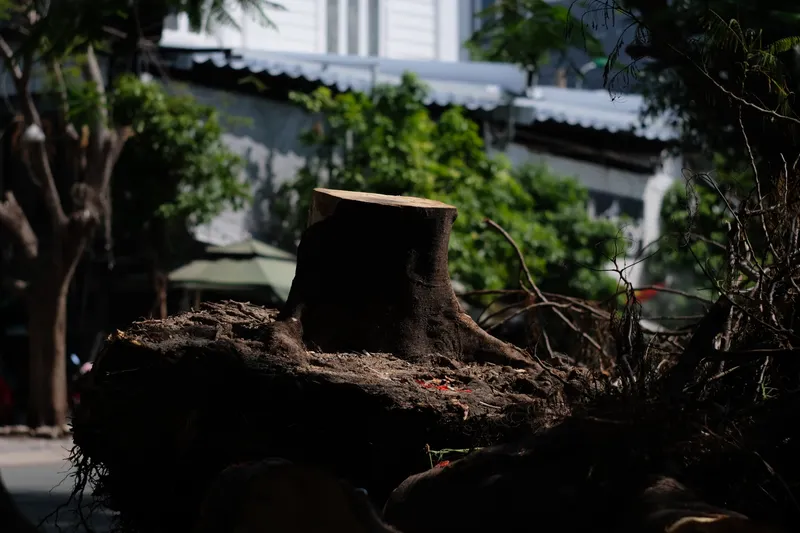
Grinding leaves the deeper root system to decompose naturally over years, fine for regrading, sod, or most landscaping. Full removal is a heavier job entirely — it physically extracts the stump and its major root mass, the right call when a pool, driveway, or new structure is planned for that exact footprint and leftover wood would interfere.
Full removal costs meaningfully more and typically needs heavier equipment access, so it's scoped and quoted on its own once the planned use is known.
Cleanup, Backfill & Replanting Prep
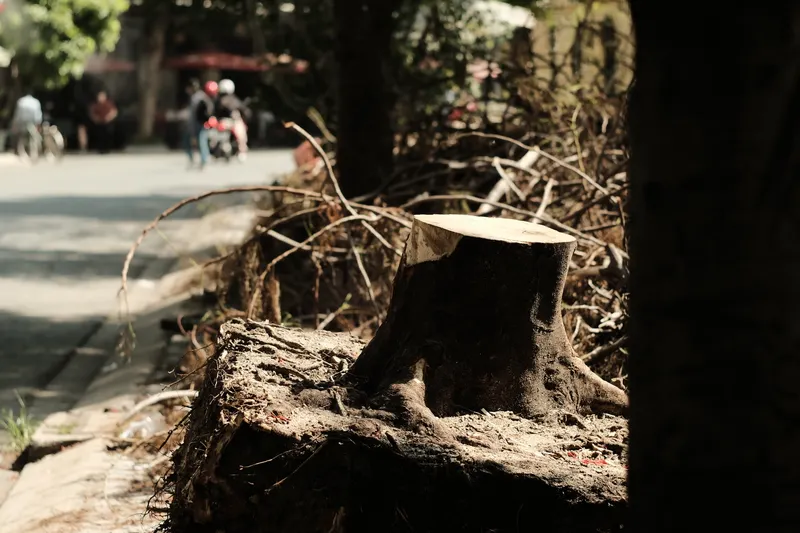
Every grinding job finishes with the aftermath handled, not just the grind — chips are hauled off, or left as mulch on request, and the hole is backfilled and leveled so the ground is flush rather than a depression that collects water. That prep matters most when a homeowner wants to replant: a properly backfilled site is ready for a new tree or shrub immediately, while a rough, unfilled site needs extra work first.
Multi-stump properties — common after a storm passes through Little Elm's lakeside canopy — get this cleanup across every stump in one visit.
The Benefits
What Happens If a Stump Is Left Alone
A stump left in the ground isn't a neutral, inert object — it keeps causing problems the longer it sits.
The Root System Doesn't Stop Growing
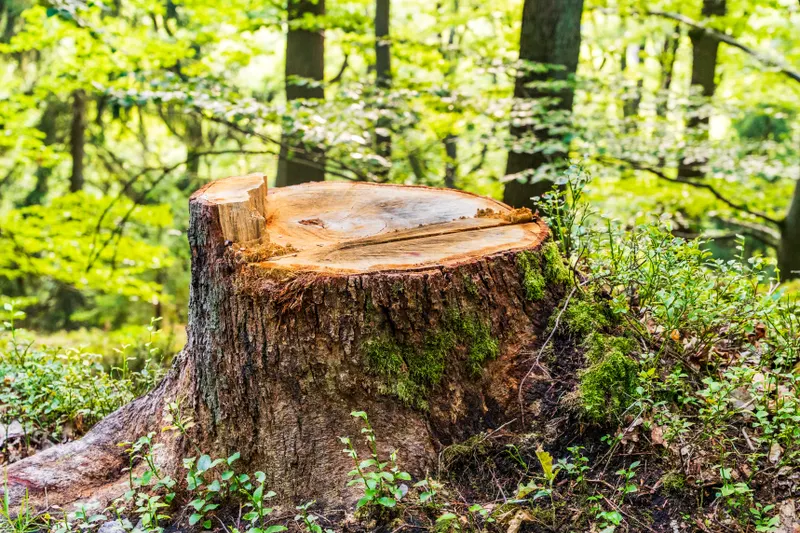
A stump being dead above ground doesn't mean its root system stops expanding below — vigorous species like oak and cedar elm can keep pushing roots outward for years, and those roots are exactly what eventually crack a driveway, buckle a patio slab, or work into a sewer line nowhere near the original tree. Grinding the stump and its major surface roots now is meaningfully cheaper than repairing the damage an ignored stump causes years down the line.
An Old Stump Is a Reservoir for Pests and Decay
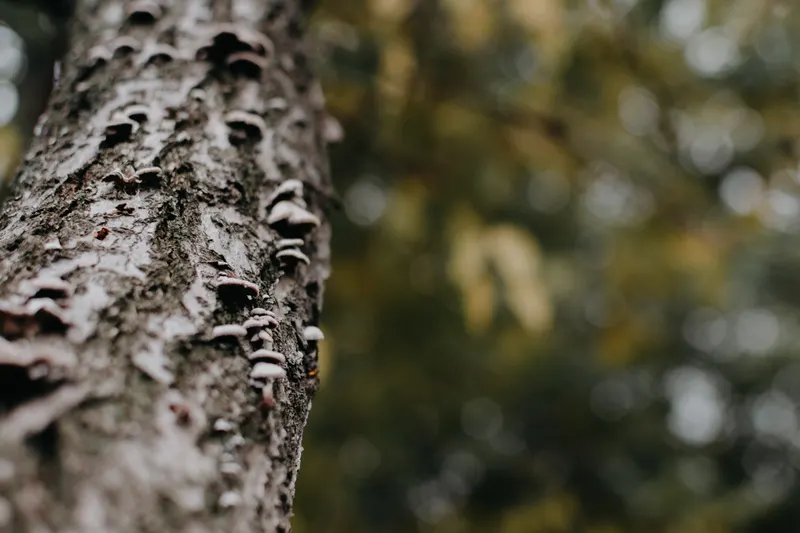
A decomposing stump is an attractive host for wood-boring insects and decay fungi, and on a property already dealing with oak wilt or emerald ash borer pressure — EAB is confirmed inside the Dallas metro and Rockwall County — an untouched stump is one more source that problem can spread from. Grinding removes that host material outright, clearing the way for regrading instead of leaving a slowly rotting hazard sitting in the yard indefinitely.
A Backfilled Site Is Ready for What's Next
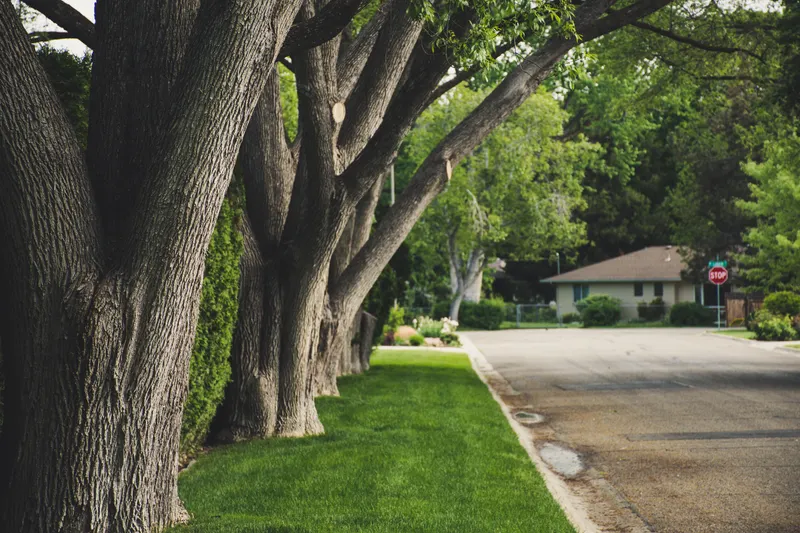
Past the practical risks, a ground and backfilled stump means the spot can be used again — mowed, sodded, replanted, or built on — instead of standing in as a tripping hazard or bare patch. Because backfilling and leveling are part of the standard job, the area is landscape-ready the same day rather than an open hole left for a homeowner to deal with.
If the tree is still standing and needs to come down before grinding makes sense, tree removal covers the assessment and rigging that gets it safely to the ground, and ongoing care for trees being kept is covered on tree trimming & pruning. Prosper's heavy native-oak and pecan canopy on large acreage lots keeps this dense-hardwood grinding work steady — see tree service in Prosper, TX. For the complete list coordinated across Frisco and Collin & Denton County, see our services — the same Frisco tree service crew network clearing stumps and backfilling yards here.
Frequently Asked Questions
How deep below grade does stump grinding actually go?
Standard grinding typically reaches four to twelve inches below the surrounding grade, deep enough that future mowing, a new lawn, or a shallow planting bed never makes contact with leftover wood. The exact depth depends on what's planned for the spot afterward — a simple lawn area needs less depth than a bed intended for a new tree with a real root ball. The crew confirms the target depth before starting so the aftermath matches the intended use.
How is the price actually calculated for a stump?
Pricing is measured at the stump's widest point at grade, in diameter inches, run against a $2-to-$5-per-inch rate with a roughly $300 minimum that applies even to a small stump, since mobilizing the grinder costs close to the same regardless of size. A 20-inch stump, for example, sits below that floor on the per-inch math, so it's billed at the $300 minimum; the per-inch rate only lifts the total above $300 on oversized stumps or multi-stump jobs. Multiple stumps on one property, common on Prosper's larger lots, typically cost less per stump than separate visits.
Why do oak stumps cost more to grind than other species?
The grinder's cutting wheel simply has to work longer through denser wood, and oak — along with pecan and other hardwoods common across Frisco and Prosper's canopy — takes measurably more time and wheel wear than a softer species like cedar elm or Bradford pear at the same diameter. That extra time translates into a 20 to 30% price premium over softwood stumps of comparable size. Given how much of the region's canopy is native oak, it's factored into the quote up front rather than surprising anyone after.
What actually happens to the wood chips after grinding?
By default, chips and grinding debris are hauled off as part of the standard job, and the cavity left behind gets backfilled with soil and leveled so it's ready for sod, seed, or a new bed. Plenty of homeowners prefer to keep the ground material on-site instead, spread as mulch around existing beds, and that's done on request. Either way, cleanup and backfill are built into the job, not billed as a separate add-on.
What's actually left in the ground after grinding versus full removal?
Grinding breaks down the visible stump and the immediate root crown to below-grade depth, but the deeper root system stays in the soil and decomposes naturally over following years — plenty for regrading, sod, or ordinary landscaping. Full removal is a different scope entirely: it physically pulls the stump and its major root mass out of the ground, which matters when a pool, driveway, or foundation is going into that footprint. Full removal costs more and needs heavier equipment access, so it's scoped separately once the planned use is known.
Can I replant a new tree in the same spot after grinding?
Usually, yes, once the site has been backfilled and leveled properly — grinding clears enough depth and surface area that a new planting hole can go in without hitting old stump material directly beneath it. Fast-growing, aggressive root species sometimes leave enough decomposing wood nearby that it's worth waiting a season or amending the soil before planting something delicate in the exact same footprint. For most ordinary replanting, though, a properly ground and backfilled site is ready to go right away.
Will grinding stop the stump from sending up new sprouts?
Yes — grinding destroys the stump's crown and the growing points that produce suckers, which is a far more permanent fix than cutting the trunk flush to the ground and hoping regrowth stops on its own. Vigorous species like cedar elm and crape myrtle can occasionally send up a stray shoot from a surviving root fragment even after grinding, but nothing close to the persistent, ongoing sprouting an ungrounded, flush-cut stump produces year after year. Any stray sprouts that do appear are a quick follow-up trim, not a real problem.
Can a stump be ground close to a house, fence, or sprinkler line?
In most cases, yes, though tight clearance to a foundation, fence, bulkhead, or irrigation line changes how the grinder gets positioned and how carefully the operator has to work — a real factor on Little Elm's lakefront lots, where a stump often sits close to a dock or bulkhead. The site gets walked before quoting specifically to flag sprinkler heads, buried lines, or hardscape edges near the stump, since a heads-up avoids hitting an unmarked line that would otherwise be expensive to fix. Where an underground utility is a real concern, a locate call before grinding starts is the safer route.
Why does surface root grinding get priced separately from the stump?
Surface roots from a large tree — oaks and pecans on Prosper's acreage lots especially — often extend well beyond the stump's own diameter, lifting sidewalks, driveways, and patio edges as they thicken with age. Grinding that surface-root network back below grade covers a wider footprint and often more linear footage of material than the stump measurement alone reflects, which is why it's scoped and quoted as its own line item rather than folded automatically into the stump price. It can be done alongside stump grinding or as its own standalone visit if the stump itself was already handled previously.
Is it better to grind a stump right away or wait?
There's no real upside to waiting — a stump's root system keeps expanding for years after the tree is gone, especially in vigorous species like oak and cedar elm, and those roots are what eventually crack driveways, buckle patios, or reach into sewer lines. Scheduling the grind at the same time as removal, or shortly after, means the crew and equipment are already on-site, typically more efficient than a separate trip weeks later. By then the root system has had more time to spread and the ground has often settled unevenly.
How is stump grinding kept safe around utilities and structures?
It starts with a utility locate before the wheel ever turns, because a stump's roots run through the same shallow band where irrigation lines, low-voltage lighting and gas services sit. Stump work then follows the same ANSI Z133 safety protocol applied to every other job on the property, since a grinder is heavy, serious equipment that deserves the same operating discipline as a chainsaw or an aerial lift. The grind depth and backfill plan are agreed in writing before work begins, which is worth confirming especially on jobs working tight against a fence, foundation, or shared property line.
Get the Stump Ground, Backfilled, and Cleared
Below-grade grinding, root clearing, and full cleanup — priced by diameter inch. Call (469) 238-1159, 24 hours a day.
(469) 238-1159