Tree Service · Frisco, TX
Shrub & Hedge Trimming in Frisco, TX
Tree Service Frisco Woods Co treats the shrub line and the tree canopy as two different disciplines, because they are — a live oak forgives a rough cut over a decade, and a boxwood hedge shows a bad one by the following weekend. Fifteen years of coordinating hedge trimming and shaping, shrub and bush pruning, ornamental and small-tree pruning, and overgrown-shrub removal across Frisco, Prosper, Little Elm, The Colony, and the wider Collin and Denton County Metroplex means the crews we coordinate read a hedge the way they'd read anything meant to look right up close — line, density, and the calendar it gets cut on. Calls come in 24 hours a day.
Frisco and its master-planned neighbors sell curb appeal as a feature, not an accident. Windsong Ranch and Star Trail in Prosper, Stewart Peninsula and The Tribute in The Colony, and dozens of comparable Frisco subdivisions write architectural-control language straight into the HOA covenants — foundation beds, corner sightlines, and frontage hedges get graded on the same visual standard as paint color and roofline. Boxwood, dwarf yaupon and Nellie R. Stevens holly, nandina, and red tip photinia carry most of that frontage work locally, and each one holds its shape differently depending on how and when it's cut.
Texas summer heat changes the math, too. A hedge sheared hard in July loses the leaf cover shading its own root zone right when the ground beneath it is baking, so heavier shaping gets timed around that stress window instead of a convenient Saturday. Shears and hedge trimmers get wiped down between properties, and between individual plants on the same job, because a contaminated blade is how a problem on one boxwood becomes a problem on the whole row.
This page covers the ornamental and foundation layer — hedges, shrubs, and small ornamental trees kept to a shaped form. A large canopy tree that needs structural work belongs on tree trimming and pruning instead, and a shrub line that's really gone-to-brush belongs under land and lot clearing. When a Frisco-area homeowner calls about a hedge that's grown past the HOA's comfort zone, the read starts with the plant's bloom cycle, not just its height.
What We Do
Our Shrub & Hedge Trimming Services
Ornamental care splits into a handful of distinct jobs, each with its own cut, tool, and calendar. Here's how the work actually breaks down on a Frisco-area property.
Hedge Trimming & Shaping
Formal hedges — a straight-topped boxwood row along a Frisco Lakes frontage, a clipped yaupon screen dividing a Star Trail side yard — get cut to a level plane with a slight batter, wider at the base than the top, so sunlight still reaches the lower branches instead of thinning out and leaving the hedge bare at the knees. Informal hedges get shaped by hand to follow the plant's natural form instead, removing what's crossing or crowding rather than forcing a hard line.
Both styles hold their shape best on a repeat schedule; HOA-visible frontage rows typically run the tighter interval, side and back-yard hedges can stretch it.
Shrub & Bush Pruning, Timed to the Bloom Cycle
Spring bloomers — azaleas and spirea, where they're planted locally — set next year's flower buds almost immediately after this year's bloom fades, so they get pruned right after flowering, never in late winter, or the cut removes next season's blooms along with this season's growth. Summer bloomers and evergreen foundation shrubs like nandina and red tip photinia work on the opposite clock, taking their shaping cut during dormant winter months before new growth pushes.
Getting that order backward is the single most common shrub-pruning mistake we see in North Texas yards.
Ornamental & Small-Tree Pruning
Dwarf and multi-stem crape myrtle cultivars kept at hedge height get the same no-topping rule that applies to full-size specimen crape myrtles on tree trimming and pruning — suckers cleared at the base, crossing growth removed, main stems left alone so next year's bloom isn't traded for a tidier winter silhouette. Wax myrtles, hollies trained as small specimen trees, and the occasional Japanese maple on a shaded lot get a lighter hand still.
Each species is read on its own terms rather than run through one generic cut.
The Benefits
Shrub & Hedge Trimming Benefits
Correctly timed shaping does more than look tidy on trim day. It protects the plant, the bed, and the frontage's standing with the neighborhood association.
HOA-Ready Curb Appeal
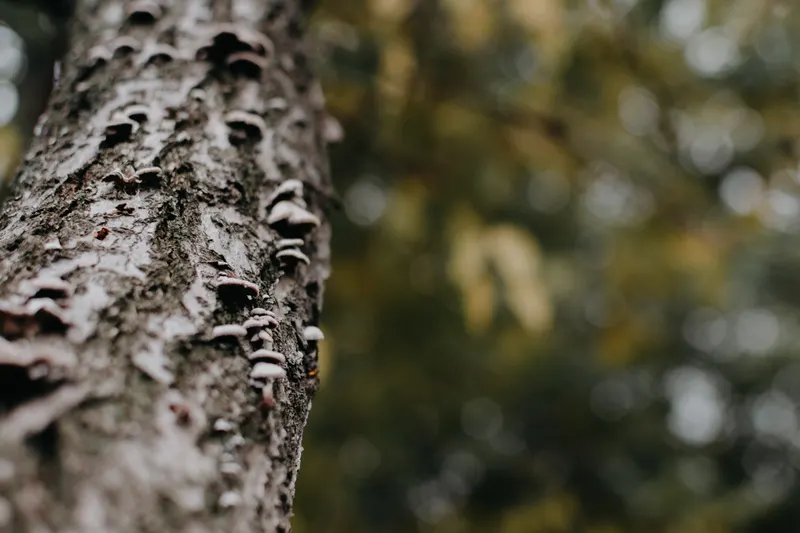
A frontage hedge that's out of line is one of the faster ways to draw an HOA architectural-review letter in a Frisco-area master-planned community — Windsong Ranch, Star Trail, The Tribute, and Stewart Peninsula all grade frontage plantings on the same visual standard as paint color and roofline. A hedge and shrub bed kept on a maintenance schedule instead of an emergency one rarely reaches that point, and it reads as maintained from the driveway, not just on trim day.
Healthier Plants Through Correct Timing
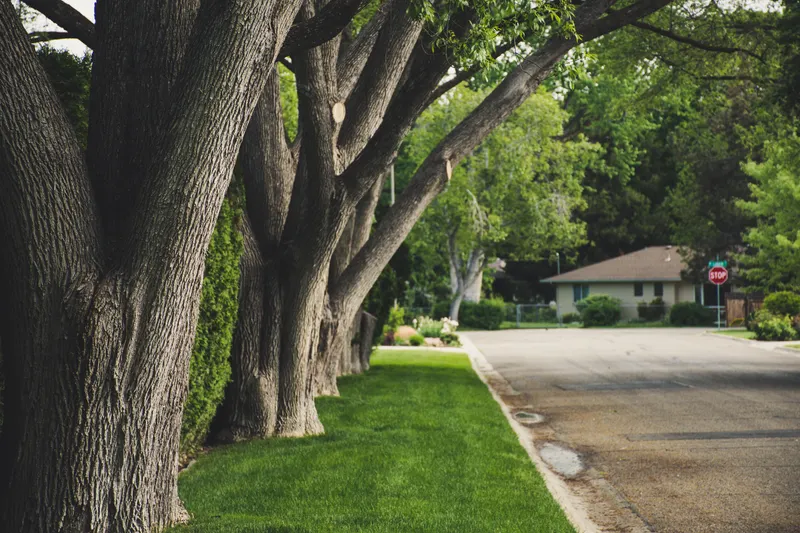
A shrub cut on the wrong side of its bloom cycle survives the mistake, but it loses a season of flowers, and repeated wrong-season shearing thins a hedge's interior over several years until it's mostly bare wood wrapped in a thin green shell. Cutting on the plant's own schedule instead keeps growth dense from the inside out, which matters more in a Frisco summer, when a thin, sun-scalded interior struggles to recover.
Overgrown Shrub Removal & a Clean Bed Reset
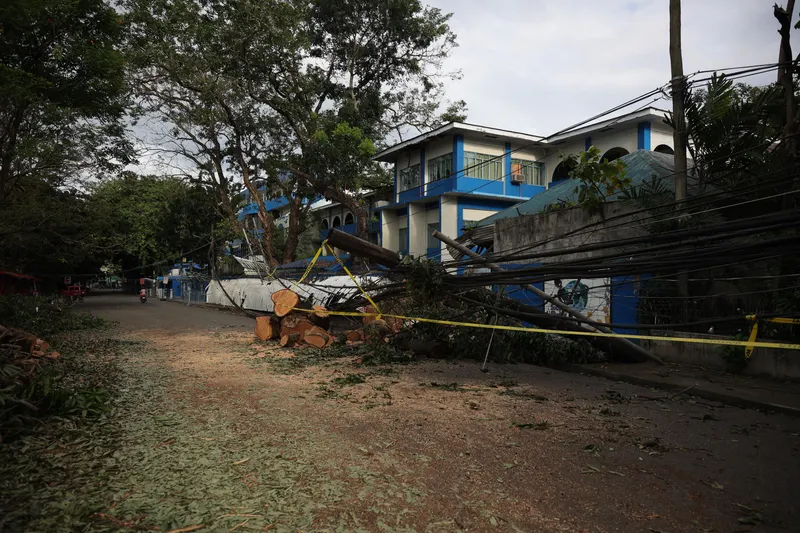
Some shrub beds pass the point where shaping helps — foundation nandina or photinia that's outgrown the bed entirely, or a hedge gone to bare, woody stems at the base that no cut brings back. Those come out completely, root ball included, with the bed cleared and leveled and ready for whatever gets planted next, whether that's a fresh hedge line or a different plan for the frontage altogether.
Related Coordination: Clearing and Canopy Care
A shrub bed that's really gone to brush — more thicket than landscaping — is covered under land and lot clearing instead of a shaping visit, and any of Frisco's larger canopy trees showing storm damage or disease belongs on tree health care or tree trimming and pruning. For the full list of what's coordinated across Frisco, Prosper, Little Elm, and The Colony, see our services — the same Frisco tree service crew network that keeps hedges, shrubs, and canopy trees on their own separate schedules.
Frequently Asked Questions
What's the difference between shrub and hedge trimming and your tree trimming service?
Shrub and hedge trimming covers the ornamental and foundation layer — boxwood, holly, nandina, photinia, hedges, and small ornamental trees like crape myrtles and Japanese maples kept to a shaped form. Tree trimming and pruning covers large canopy trees — live oaks, cedar elms, and similar species — where the goal is structural soundness rather than a clipped line, and it's a separate page for a reason: see tree trimming and pruning for that side of the work. The tools, the cut technique, and the timing rules differ enough that we treat them as two distinct services rather than folding one into the other. A single property usually needs both, just not on the same visit.
Do you time shrub pruning around when each plant blooms?
Yes — spring-blooming shrubs like azaleas and spirea set next year's flower buds almost immediately after this year's bloom fades, so they get pruned right after flowering rather than in late winter. Summer bloomers and evergreen foundation shrubs such as nandina and red tip photinia are shaped on the opposite schedule, taking their main cut during winter dormancy before spring growth pushes. Getting that order backward is the most common shrub-pruning mistake we see in North Texas yards, and it costs a full season of bloom rather than just looking uneven for a few weeks.
Will my HOA care how my hedges are trimmed?
In most Frisco-area master-planned communities, yes. Windsong Ranch and Star Trail in Prosper, Stewart Peninsula and The Tribute in The Colony, and comparable Frisco subdivisions write architectural-control language into their covenants that grades frontage plantings — hedge height, shape, and corner sightlines — on the same visual standard as paint color or roofline. A hedge that's been let go past the shape it's supposed to hold is one of the more common triggers for an HOA notice. A repeat maintenance schedule keeps a frontage hedge inside that standard instead of catching up after a letter arrives.
Can a crape myrtle be kept at hedge height without topping it?
Yes, and it's a different technique than the annual stub-cutting known locally as 'crape murder.' A dwarf or multi-stem crape myrtle kept at hedge height gets suckers removed at the base, crossing interior growth cleared, and the main stems left alone — the same no-topping rule used on full-size specimen crape myrtles. Topping produces weak, whip-thin regrowth that's more prone to snapping in wind and sacrifices next summer's bloom for a tidier winter silhouette. Done correctly, a hedge-height crape myrtle still flowers on schedule and holds its shape without the annual hack-back.
What happens to boxwood, nandina, or photinia that's overgrown past shaping?
Once a shrub has outgrown its bed entirely or gone bare and woody at the base, shaping doesn't bring it back — it comes out. Overgrown shrub removal takes the plant and root ball out completely, and the bed gets cleared and leveled so it's ready for a replacement planting or a different landscaping plan. This is common with foundation photinia and nandina in older Frisco-area subdivisions and lakeside neighborhoods like The Colony, where 1980s-era plantings have simply outgrown the space they were given decades ago. A hedge caught before that point almost always costs less to maintain than one removed and replanted.
How often does a hedge or shrub bed actually need trimming?
Formal, HOA-visible frontage hedges typically hold their line best on a tighter interval — often every four to six weeks during the active growing season — while side-yard and backyard hedges can stretch to a monthly or bimonthly schedule without losing shape. Individual specimen shrubs and ornamental small trees are usually a once- or twice-a-year job tied to their bloom cycle rather than a fixed calendar interval. Skipping a scheduled visit doesn't ruin a hedge, but it does mean the next cut has to remove more growth at once, which is harder on the plant.
Does Texas heat change how hedges should be trimmed?
It does. A hedge sheared hard in the middle of a Frisco summer loses the leaf cover shading its own root zone right when the ground underneath it is baking and pulling moisture away fastest, which stresses the plant at the worst possible time. Heavier shaping cuts get scheduled for cooler stretches of the year instead, with summer visits kept lighter — enough to hold the line without stripping the cover a plant needs to get through August. Newly planted or recently stressed shrubs get an even lighter touch during peak heat.
Do you sanitize tools between properties or between plants?
Yes. Shears and hedge trimmers get wiped down between properties as standard practice, and between individual plants on the same job when one shrub is showing dieback or discoloration that could be spread by a contaminated blade. It's a small step that matters more in dense subdivision plantings, where the same boxwood or photinia variety often runs the length of an entire block, planted at the same time from the same nursery stock. Skipping it is how a problem on one shrub becomes a problem on the row.
Do you handle shrub and hedge trimming outside Frisco proper?
Yes — the same crews coordinate hedge and shrub work across Frisco, Prosper, Little Elm, The Colony, and the wider Collin and Denton County Metroplex, not just inside Frisco's city limits. The plant palette shifts a little by area: Prosper's larger, newer-construction lots lean on more boxwood and holly screening along longer frontages, while lakeside Little Elm and The Colony properties mix in more photinia and nandina around older, established foundation beds. See tree service in Prosper, TX for how that plays out on the ground there. Calls are answered 24 hours a day regardless of which town the property sits in.
Is shrub and hedge trimming priced differently than tree trimming?
It is, because the work is measured differently — hedge and shrub jobs are usually quoted by linear footage of hedge or by the shrub bed as a whole, rather than by individual tree height and canopy the way tree trimming is priced. A straightforward maintenance visit on an established hedge costs less than a first-time shaping job that has to correct years of uneven growth, and overgrown shrub removal is priced separately from a trim since it includes root-ball extraction and bed cleanup. Every job gets a written quote before any cutting starts, so the number is fixed going in.
Book Shrub & Hedge Shaping
Hedges, shrubs, and ornamental pruning — timed right, cut right. Call (469) 238-1159, 24 hours a day.
(469) 238-1159