Tree Service · Frisco, TX
Tree Trimming & Pruning in Frisco, TX
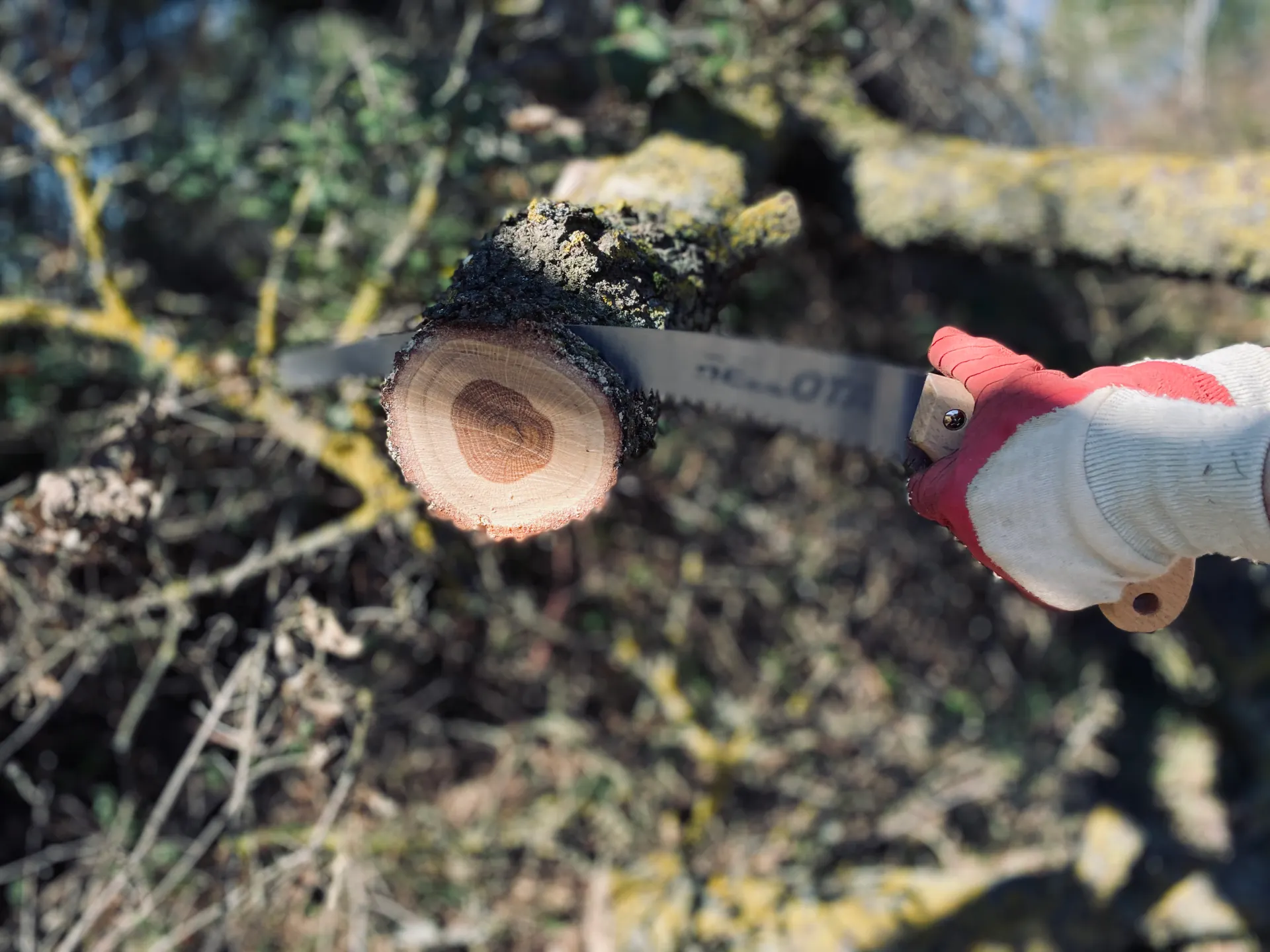
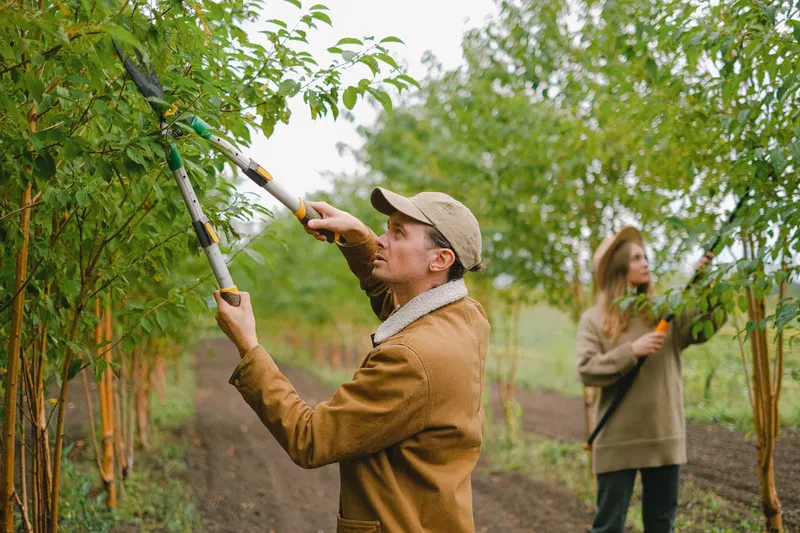
A pruning cut is a wound, not a haircut — how a tree responds depends on where the cut lands and how much canopy comes off in one visit. Cut just outside the branch collar, the swollen ring where a limb joins the trunk, and the tree can wall off the wound through compartmentalization, sealing the damage from healthy wood. Cut flush against the trunk, or take too much canopy at once, and the same tool meant to help leaves the tree more vulnerable. Tree Service Frisco Woods Co coordinates pruning built around that biology — branch-collar cuts, compartmentalization-aware technique, and hard limits on canopy removed — across Frisco, Prosper, Little Elm, The Colony, and the wider Collin and Denton County Metroplex, with 15 years of local coordination and calls answered 24 hours a day.
The biology matters more here than in most regions because Frisco-area trees already carry stress load before a saw touches them. Collin County's Blackland Prairie clay swells and contracts hard across wet and dry cycles, taxing root systems with less reserve capacity to recover from an aggressive prune; along Lewisville Lake, sandier Cross Timbers soil brings cottonwoods and willows into the mix, and open-water wind adds stress pruning technique either compensates for or aggravates. Add a canopy that mostly reached maturity together — Frisco's population went from about 6,100 in 1990 to 200,509 by 2020, with Prosper, Little Elm, and The Colony on a comparable timeline — and a large share of local trees are hitting the size where correct pruning is the difference between staying sound and needing early removal.
This page covers the maintenance side of tree care — the pruning that keeps a healthy tree healthy and trains a young one into good structure. A tree already dead, hazardous, or beyond saving belongs on the tree removal page; disease and pest problems like oak wilt or emerald ash borer are covered on tree health care. Pruning done right works with a tree's natural growth pattern instead of fighting it — a different discipline than taking a tree down.
Every job opens with a biology read before a single branch comes off: species, current form, decay signs, and the calendar. From there the arborist selects among four core pruning types — thinning, raising, reduction, and deadwood removal — chooses branch-collar cuts over flush cuts so the tree can compartmentalize properly, and caps live-canopy removal at roughly 25% in a year under ANSI A300 guidance, since a tree needs enough leaf surface to recover. Oaks get an added constraint: no pruning or wounding from February through June, when the oak wilt fungus and its beetle vector are most active.
What We Do
The Four Pruning Types, and When Each Applies
Every pruning job is really a choice among a handful of techniques. Here's what each one does biologically and when it's the right call.
Crown Thinning & Raising
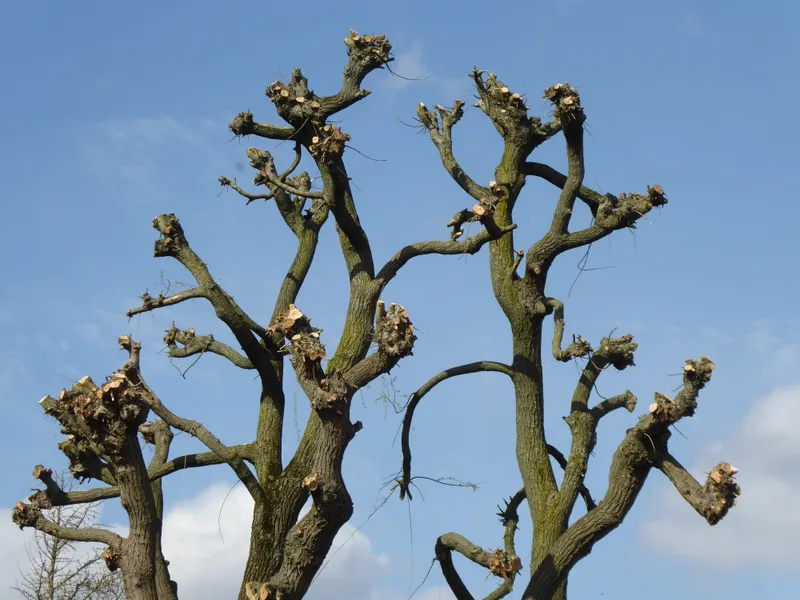
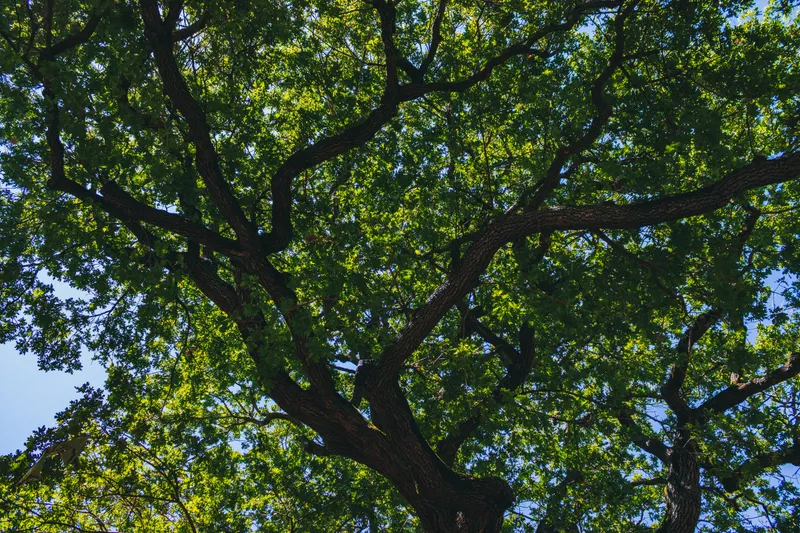
Crown thinning removes select interior branches to let light and air through the canopy, lowering wind-sail effect without changing the silhouette from the curb. Crown raising targets the lower scaffold limbs instead — cutting them back to open clearance over a driveway or walkway while leaving upper canopy untouched. Both rely on cutting at a lateral branch or the collar, never mid-limb, so the tree isn't left with a stub it can't seal.
Most work here runs $200 to $1,200 per tree and takes 1 to 4 hours.
Crown Reduction & Deadwood Removal
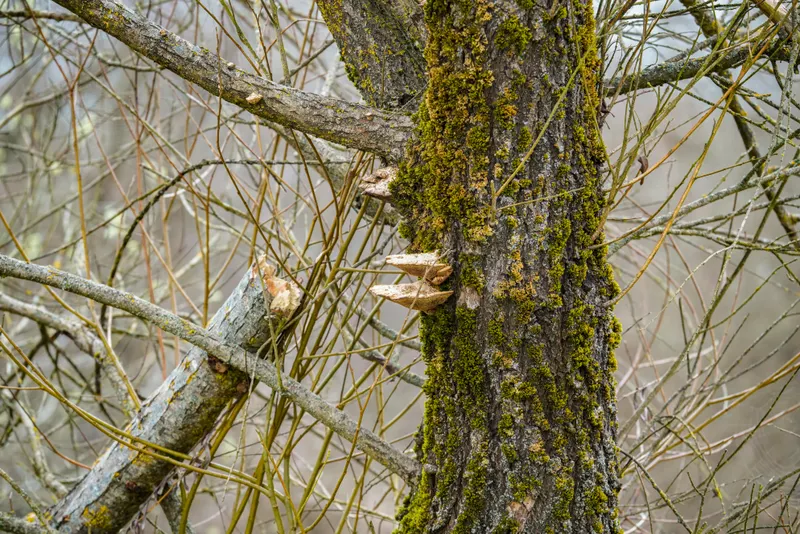
Crown reduction shortens an oversized or top-heavy limb back to a lateral branch large enough to take over the terminal role — a hand-off that avoids the stub a tree can't heal, unlike topping, which lops a limb at an arbitrary point. Deadwood removal is simpler: dead tissue can't be saved, so it comes out regardless of the calendar, both as a falling hazard and an entry point for decay fungi.
Both count against the same 25%-per-year canopy limit as thinning or raising.
Crape Myrtle Pruning Without Topping
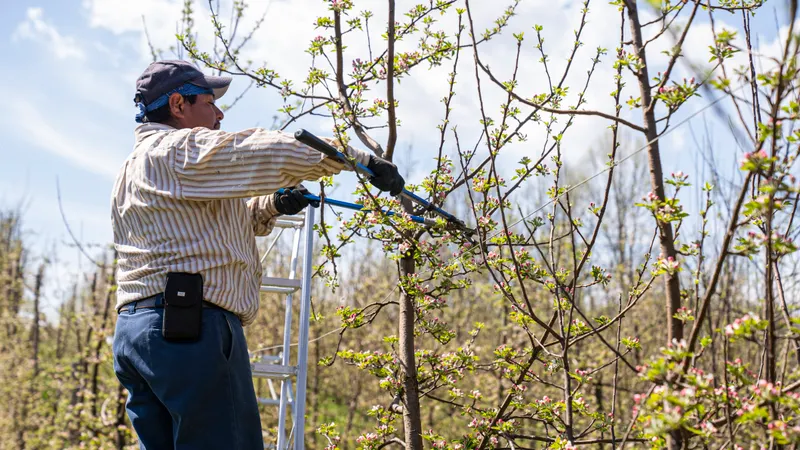
Crape myrtles are among the most mispruned trees in North Texas — the annual habit of hacking main stems to stubs, sometimes called 'crape murder,' is flagged by both ISA and Texas A&M AgriLife Extension as damaging, since the tree answers with weak, whip-thin regrowth clustered at the cut instead of sound branching. The sound approach removes suckers at the base, clears crossing interior growth, and clips spent seed heads, leaving the main trunks and natural vase form untouched.
Done this way a crape myrtle keeps its shape and blooms just as well next season, without the weak regrowth topping produces.
Oak-Wilt-Season Timing & Palm Technique
Oak pruning is scheduled around a biological calendar, not a convenient one — Texas A&M Forest Service guidance is to avoid pruning or wounding oaks from February through June, when the oak wilt fungus and its beetle vector are most active and a fresh cut is essentially an open invitation for infection. Outside that window, oak pruning follows the same branch-collar rules as any other species.
Palm biology works differently: palms don't heal wounds the way broadleaf trees do, so trimming removes only fronds that are already dead or declining, leaving the live crown untouched.
The Benefits
The Science Behind the ANSI Standard
None of this is arbitrary. Each rule in the standard maps to something specific happening inside the tree.
Compartmentalization Only Works From the Right Cut
A tree can't heal a wound the way an animal heals skin — it walls the damaged area off from healthy tissue through compartmentalization, sealing the injury behind layers of chemically altered wood. That process only works cleanly when the cut lands just outside the branch collar, the slightly swollen ring where a limb meets the trunk; a flush cut removes the collar and leaves the core exposed to decay organisms for years. It's an inch or two in cut placement with a difference of years in outcome.
The 25% Limit Reflects a Tree's Recovery Capacity
ANSI A300 caps live-canopy removal at roughly 25% in a single year because a tree's leaf surface is its energy source — strip more and the tree responds with stress signals: epicormic sprouting in odd places, root dieback, and a weaker immune response to pests like oak wilt beetles or emerald ash borer. Heavier pruning is common across North Texas since a bigger pile of cut branches can look like more value delivered, but the approach here removes only what the tree's own recovery capacity can absorb.
Seasonal Timing Is a Disease-Prevention Tool
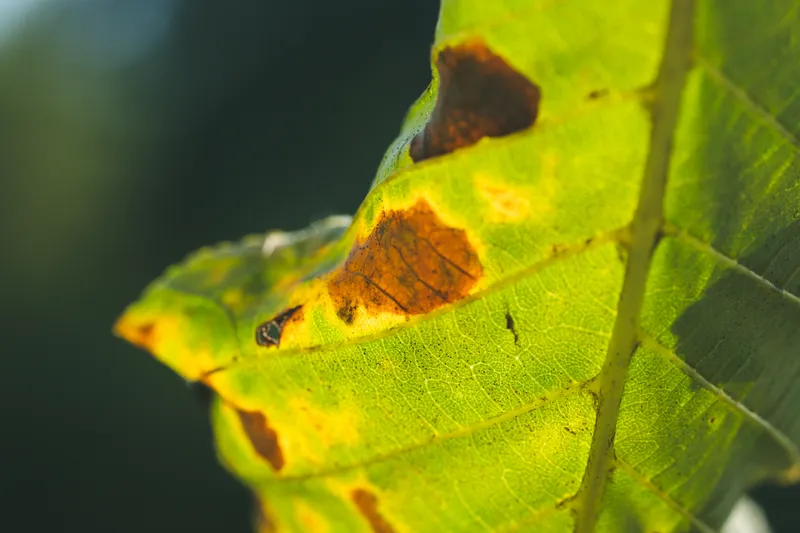
Avoiding oak cuts between February and June isn't a soft precaution — oak wilt is confirmed in 76 Texas counties, spreads through fresh wounds via sap-feeding beetles, and can move underground through root grafts to take out a healthy neighboring oak. Storm-prone species like Bradford pear and crape myrtle get their own seasonal logic too: proactive structural pruning ahead of spring storm season reduces the wind-catching surface that tends to split under hail and wind.
If a tree's problem is disease or pests rather than structure, that falls under tree health care instead of pruning technique. And if a tree is already past what pruning can fix — dead, structurally failed, or genuinely hazardous — tree removal covers that next step. The Colony's mature 1980s-era oaks and cedar elms are exactly the kind of canopy where branch-collar technique earns its keep over decades — see tree service in The Colony, TX. For the complete list coordinated across Frisco and Collin & Denton County, see our services — the same Frisco tree service crew network applying this standard here.
Frequently Asked Questions
Why does the exact location of a pruning cut matter so much?
Where a cut lands determines whether a tree can seal the wound. A cut made just outside the branch collar — the slightly raised ring where a limb joins the trunk — leaves that collar's specialized tissue intact, and the tree uses it to compartmentalize the wound, walling the damage off from the healthy wood around it. A flush cut removes that same collar tissue, so the tree struggles to seal the injury and the exposed wood stays vulnerable to decay fungi for years. It's a small technical difference with a lasting structural consequence.
What does 'compartmentalization' actually mean for a tree?
Compartmentalization, sometimes shortened to CODIT, is the process a tree uses to contain damage instead of healing it the way an animal would — it builds chemical and physical barriers around a wound to keep decay organisms from spreading into surrounding healthy wood. That process depends heavily on cut placement and the tree's existing vigor, which is why a stressed tree compartmentalizes less effectively and over-pruning a struggling tree is riskier than it looks. This is really the whole basis for branch-collar pruning technique.
Why is there a limit on how much canopy can be removed at once?
ANSI A300 sets that ceiling at roughly 25% of live canopy in a year because a tree's leaves are its only energy factory, and stripping too many at once starves it of resources needed to compartmentalize wounds, maintain root growth, and defend against pests. Go past that limit and a tree often responds with weak epicormic sprouts, reduced root growth, and weaker defense against oak wilt or emerald ash borer. If a tree needs more correction, stage it across two or more seasons.
What's actually different about crown thinning versus crown reduction?
Crown thinning removes selected smaller branches through the canopy's interior to improve airflow and light penetration without changing the tree's overall size, lowering wind resistance in a storm. Crown reduction is a structural technique instead — it shortens an oversized or top-heavy limb back to a lateral branch large enough to take over the terminal role, closer to redirecting growth than simply cutting shorter. The two solve different problems, and a tree can genuinely need one, the other, or both depending on its form.
Why shouldn't crape myrtles be topped every winter?
The North Texas habit of hacking crape myrtle trunks to stubs each winter — often called 'crape murder' — is condemned by both ISA and Texas A&M AgriLife Extension because of how the tree responds: weak, whip-thin regrowth clusters at each cut, far more prone to snapping in wind than natural branches. Repeated topping shortens the tree's productive lifespan and permanently distorts its vase-shaped form. Pruning for shape instead — removing suckers, crossing branches, and spent blooms — keeps the tree healthier and better-looking.
When exactly is it unsafe to prune an oak tree in Texas?
Texas A&M Forest Service guidance draws the line at February through June, when the oak wilt fungus and its beetle vector are most active, making any fresh wound during that window a real infection risk. Outside those months — roughly July through January — oak pruning proceeds on the same schedule as any other species. The one exception is a genuine emergency, such as a storm-broken limb that's already hazardous, where the cut happens regardless of the calendar.
Can over-pruning make a drought-stressed tree worse?
Yes, and it's a common mistake — a tree already fighting root stress from Collin County's expansive clay or a dry summer has less energy reserve for wound compartmentalization, so aggressive canopy removal can push it further into decline. That's exactly why the 25%-per-year limit and correct branch-collar cuts matter more, not less, on a tree already showing stress. A lighter deadwooding-only pass paired with plant-health-care support often does more good than an aggressive structural prune.
Do palm trees get pruned the same way as oaks or elms?
No — palm biology is different enough that the technique has to change. Broadleaf trees like oaks and elms compartmentalize wounds the way described above, but palms don't heal cuts the same way, which means over-trimming a palm doesn't just look bad, it can genuinely weaken the tree. Palm trimming here removes only fronds that are already dead or declining, leaving healthy green fronds in place even when a heavier trim would look tidier.
How often does a tree actually need to be pruned?
Most established shade trees do fine on a two-to-three-year cycle, with deadwood pulled sooner whenever spotted, since dead limbs are a hazard regardless of timing. Young trees benefit from more frequent, lighter structural training in their first several years, when correcting poor branch angles is easiest and cheapest. Crape myrtles are typically pruned annually in late winter, and storm-prone species get an extra look ahead of spring storm season.
How is coordinated pruning kept accountable to a real standard?
The tree crews and arborists working through Tree Service Frisco Woods Co apply ANSI A300 technique and ANSI Z133 safety rules for climbing or aerial-lift work, with an arborist directing the pruning decisions rather than the climber deciding cut by cut. A written scope is agreed before a job starts, worth asking for especially near a roofline or shared property line. That combination of a recognized credential and a written standard keeps outcomes consistent from one property to the next.
Does pruning help protect a tree from oak wilt or emerald ash borer?
Indirectly, yes — scheduling cuts outside the February-through-June high-risk window and avoiding unnecessary wounds meaningfully reduces oak wilt exposure, since the fungus spreads through sap-feeding beetles drawn to fresh cuts. Pruning itself doesn't treat emerald ash borer, though, since EAB is an internal, bark-boring pest requiring trunk injection, covered on our tree health care page. A well-structured, properly maintained tree generally handles disease and pest pressure better than a neglected one.
Book Biology-Based Pruning
Crown thinning, raising, reduction, and deadwood — cut right, timed right. Call (469) 238-1159, 24 hours a day.
(469) 238-1159