Tree Service · Frisco, TX
Land & Lot Clearing in Frisco, TX
Tree Service Frisco Woods Co has spent 15 years clearing land across Collin and Denton County — full-lot clearing ahead of a new build, selective clearing that keeps a handful of specimen oaks standing, brush and undergrowth removal, fence-line reclamation, and forestry mulching. Calls come in 24 hours a day, and every job runs from the first site walk to a grade-ready handoff, whether the tract is a quarter-acre infill lot or several wooded acres.
Clearing a lot is a bigger decision than removing one hazard tree — it's a land-use call that gets made once, and it deserves an arborist's eye before equipment ever moves. We walk the tract first: flagging the live oaks, red oaks, and pecans worth ringing off and protecting, mapping drainage and any floodplain edge, and matching the method — traditional cutting and stump removal versus forestry mulching that grinds brush and small trees into mulch in place — to what the soil underneath can actually support.
Crews work to ANSI Z133 safety protocol on every acre, price by acreage, canopy density, and equipment access rather than a flat per-lot guess, and typically clear a standard residential infill lot in two to four days; larger or heavily-wooded tracts run longer, always scoped in writing before the first machine arrives.
When Frisco-area builders, developers, and acreage owners out toward Prosper and Little Elm choose us for land clearing, they're choosing a crew that clears fast without clearing blind — protecting the trees worth keeping while opening the ground for whatever comes next, home pad, pasture, or a cleaner sightline along a fence.
What We Do
Our Land & Lot Clearing Services
Clearing scope changes with the goal — a construction pad, a fence line, or an overgrown pasture all get graded, cut, and cleared differently. Here's how each is scoped.

Full Lot & Land Clearing
A construction-ready lot means everything comes out — trees, stumps, brush, and root mat — down to a surface a grading crew can work. On Frisco's still-developing tracts and the acreage lots opening up around Prosper and Little Elm, that starts with an arborist-led walk to flag any protected-caliper trees the local ordinance requires a permit for, since a raw parcel isn't exempt from the same caliper rules that apply to a built lot.
From there, felling, stump grinding, and root-mat removal proceed in sequence so the site is graded once, correctly, instead of revisited.
Brush & Undergrowth Clearing
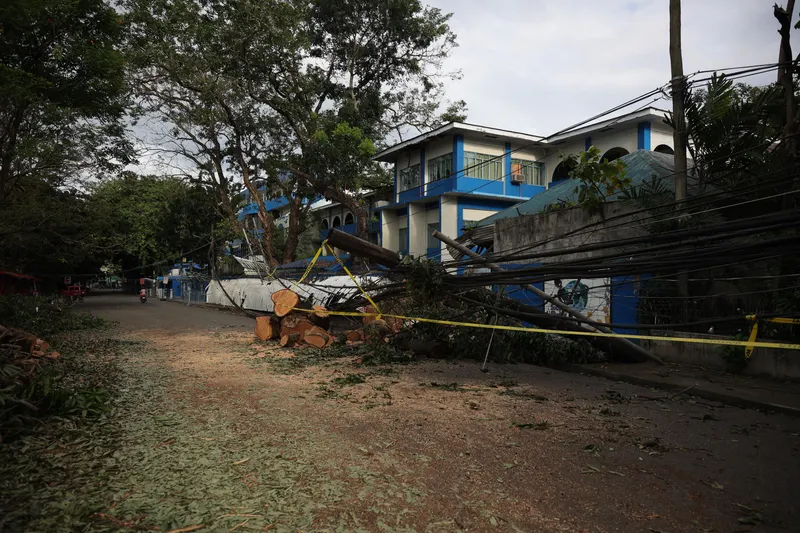
Understory brush, volunteer cedar elm saplings, and invasive privet choke out a property's usable ground long before any big tree becomes a problem, and on Little Elm's lakeside lots that undergrowth often runs thick with native cottonwood and willow seedlings crowding a shoreline view. Forestry mulching handles this scope well — a mulching head grinds standing brush and small-diameter trees into a layer left on the ground, which knocks back regrowth and skips a separate haul-off trip.
Denser sites sometimes still need traditional cutting first where mulching equipment can't reach.

Overgrowth & Fence-Line Clearing
A fence line left unmanaged for a few seasons turns into a wall of vine, sapling, and volunteer growth that hides the actual property line and eventually pushes the fence itself off plumb. Clearing a fence corridor means cutting back growth on both sides, removing anything rooted directly against the posts, and re-establishing a clean sightline the whole length of the boundary.
This scope comes up constantly on Prosper's larger acreage parcels, where a half-mile fence line can go unchecked for years between neighbors.
The Benefits
Land & Lot Clearing Benefits
Done right, clearing does more than open ground — it sets up whatever's next without creating new problems on the site.
A Build-Ready Site, Not a Moonscape
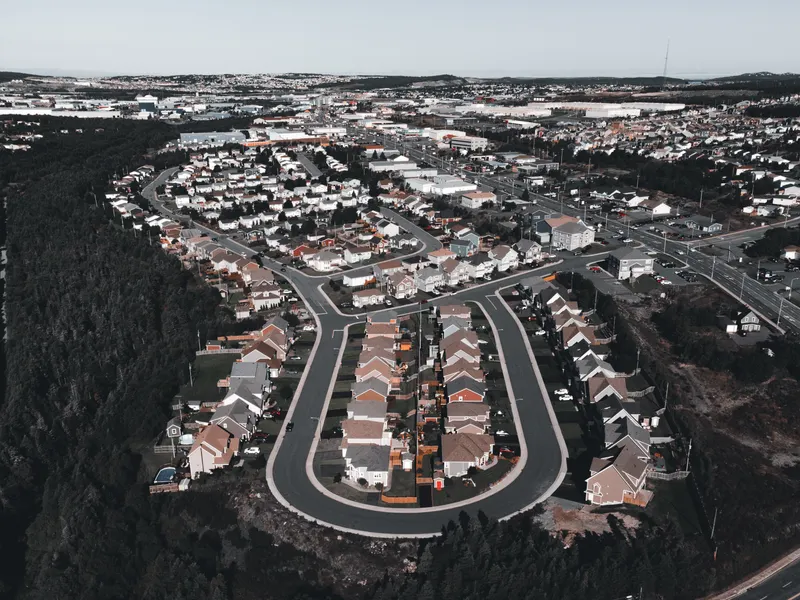
Full clear-cutting a lot down to bare dirt strips topsoil and invites erosion the moment the next Blackland Prairie downpour hits. Sequencing clearing with grading — pulling stumps and root mats before the pad is cut, leaving buffer vegetation where it's not in the way — keeps the site workable for the builder without turning the lot into a dust bowl between clearing day and groundbreaking.
Specimen Trees Kept Where They Belong
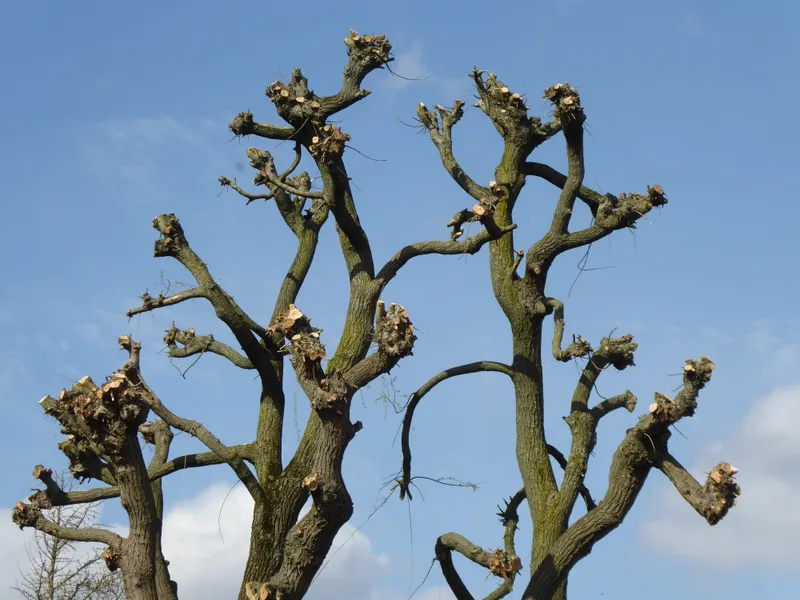
A mature live oak or pecan takes decades to grow and roughly a day to lose to a careless dozer operator, which is why flagging and root-zone fencing happen before any equipment moves. Trees kept through a clearing project can be structurally pruned to ANSI A300 standards afterward rather than left with construction-damaged limbs, protecting the property value a builder or homeowner was trying to preserve in the first place.
Compliant Clearing on a Protected-Tree Lot
Frisco's tree preservation ordinance protects trees at and above a set trunk caliper and applies to the whole lot, not just a finished, landscaped one — a raw tract slated for construction still needs the protected-caliper trees identified and, where removal is unavoidable, a permit filed before the first cut. Prosper and Little Elm each run their own version of this rule, so confirming the applicable ordinance before clearing starts avoids a stop-work order mid-project.
Keeping a lot's best trees standing sometimes means a full arborist consulting survey first, especially on a tract with several specimen candidates worth a formal preservation plan. Whatever comes out of the ground still leaves a stump behind — see stump grinding for how that gets ground flush and backfilled once clearing wraps. Prosper's acreage-scale lots are where selective clearing around mature specimen trees comes up most — see tree service in Prosper, TX. For the complete list coordinated across Frisco and Collin & Denton County, see our services — the same Frisco tree service crew network behind every clearing job here.
Frequently Asked Questions
How is land clearing actually priced if there's no flat per-acre rate?
Land clearing is priced by acreage, canopy density, and equipment access rather than a single flat number, because a half-acre infill lot with a handful of trees costs nothing like a heavily-wooded acreage tract with limited machine access. The on-site walk measures the tract, counts and sizes the trees and brush that need to come out, and checks whether equipment can get in directly or needs a longer approach route. That written scope covers felling, stump and root-mat removal, and debris handling as one number, confirmed before any equipment shows up.
Do I need a permit to clear a raw, undeveloped lot in Frisco?
Yes, in most cases — Frisco's tree preservation ordinance protects trees at and above a set trunk caliper, and that protection applies to the lot itself, not just a finished, landscaped property, so a raw tract slated for a new build still needs its protected-caliper trees identified before clearing. Where a protected tree can't be worked around, the ordinance can require a permit and mitigation, such as replacement plantings or a payment into the tree fund. We confirm the specific rule for the address, since Frisco straddles both Collin and Denton counties and the applicable city ordinance depends on exactly where the parcel sits.
What's the difference between forestry mulching and traditional clearing?
Traditional clearing fells trees, grinds or pulls stumps, and hauls the debris off-site, which suits a construction pad that needs bare, graded ground. Forestry mulching instead runs a rotating mulching head over standing brush and small-diameter trees, grinding everything into a mulch layer left in place, which knocks back regrowth, reduces erosion on sloped ground, and skips a separate haul-off trip. Mulching works best on brush, undergrowth, and small-caliper trees; larger trunks and any tree flagged for protection still get handled by hand-felling and targeted removal.
Can you clear around specimen trees I want to keep instead of clearing the whole lot?
Yes — selective clearing is scoped specifically around the trees worth keeping. An arborist walks the tract first, flags mature live oaks, red oaks, or pecans worth preserving, and marks a root-protection zone around each one before any equipment moves nearby, since root compaction from heavy machinery kills a mature tree just as surely as a chainsaw would. Everything outside those flagged zones gets cleared to the agreed scope, and retained trees can be structurally pruned to ANSI A300 standards afterward to correct any construction-adjacent damage.
How does Frisco's Blackland clay affect a clearing job compared to sandier ground near Lewisville Lake?
Frisco and most of eastern Collin County sit on Blackland Prairie clay, which holds moisture and turns heavy equipment routes into deep ruts after rain, so clearing on that ground is usually scheduled around dry stretches to protect what's left of the site. Toward Little Elm and The Colony on Lewisville Lake, the ground transitions into sandier Cross Timbers soil, which drains faster and generally supports easier stump-pulling and root-mat removal but holds less structure under heavy machinery on steep lakeside grades. Both conditions get walked and factored into the equipment plan before a quote is finalized.
What happens to the brush, stumps, and debris after clearing?
The disposal method depends on the clearing approach agreed on-site. Traditional clearing hauls felled trees, stumps, and root mats off the property entirely, leaving bare graded ground ready for a builder or landscaper. Forestry mulching instead grinds material into a mulch layer left in place, which some property owners actually prefer as ground cover or erosion control on sloped acreage. Either way, the debris plan is set before work starts, not decided after the fact.
How long does clearing a typical residential lot take?
A standard infill lot with moderate canopy and reasonable equipment access typically clears in two to four days, covering felling, stump and root-mat removal, and debris hauling or mulching. A larger acreage tract, a heavily-wooded parcel, or a site with limited access — common on some of Prosper's larger, more established lots — extends that timeline meaningfully, sometimes to a week or more. The written scope includes a realistic timeline based on the actual walk-through, not a generic estimate.
Is land clearing different from tree removal?
Yes — tree removal addresses one hazardous or unwanted tree at a time, scoped around its lean, decay, and rigging plan. Land clearing operates at acreage scale: an entire lot or tract gets cleared of trees, brush, and undergrowth together, usually ahead of construction, pasture use, or a general property cleanup, and the equipment and sequencing look completely different — mulching heads and grading coordination instead of climbing gear and rigging rope. A single hazardous tree on an otherwise clear lot is a removal job; a wooded tract becoming a building pad is a clearing job.
Will clearing damage the trees I'm keeping on the property line or near a fence?
Root compaction from heavy equipment working too close to a retained tree's root zone is the most common way a 'kept' tree ends up declining months later, which is why root-protection fencing goes up around flagged trees before any machine enters that area. Equipment routes are planned to avoid retained root zones entirely where the site allows it, and any pruning needed on a retained tree to clear equipment access follows ANSI A300 pruning limits rather than an arbitrary cut. That planning step is what separates a clearing job that protects property value from one that quietly costs a homeowner a mature tree.
Do you handle clearing on acreage properties out in Prosper or lakefront lots near Little Elm?
Yes — acreage and lakefront clearing is a regular part of the work here. Prosper's population grew 216% in a single decade, from 9,423 residents in 2010 to 30,174 by 2020, largely on large-lot and estate-style parcels that carry bigger, more established trees needing careful selective clearing rather than a blanket clear-cut. Toward Little Elm's shoreline, where roughly 53% of the town sits within Lewisville Lake, clearing often has to account for lakefront setbacks, shoreline access, and the sandier Cross Timbers soil underneath. Both scenarios get walked and scoped on-site before any quote is finalized.

Get a Land Clearing Quote by Acreage
Full-lot, selective, or fence-line clearing scoped on-site. Call (469) 238-1159, 24 hours a day.
(469) 238-1159