Tree Service · Frisco, TX
Tree Cabling & Bracing in Frisco, TX
Some trees don't need to come down — they need help holding themselves up. A co-dominant union, where two trunks of nearly equal size split from the same point low on the tree, is structurally weaker than a single leader with side branches, and when bark gets pinched between the two stems as they grow — included bark — the union can fail years before anyone notices a problem from the ground. Cable and bracing systems correct for that weakness instead of removing the tree outright: a dynamic synthetic cable or a static steel cable slung high in the canopy limits how far a weak union can spread under load, while a threaded brace rod physically ties a split trunk or crotch back together lower down.
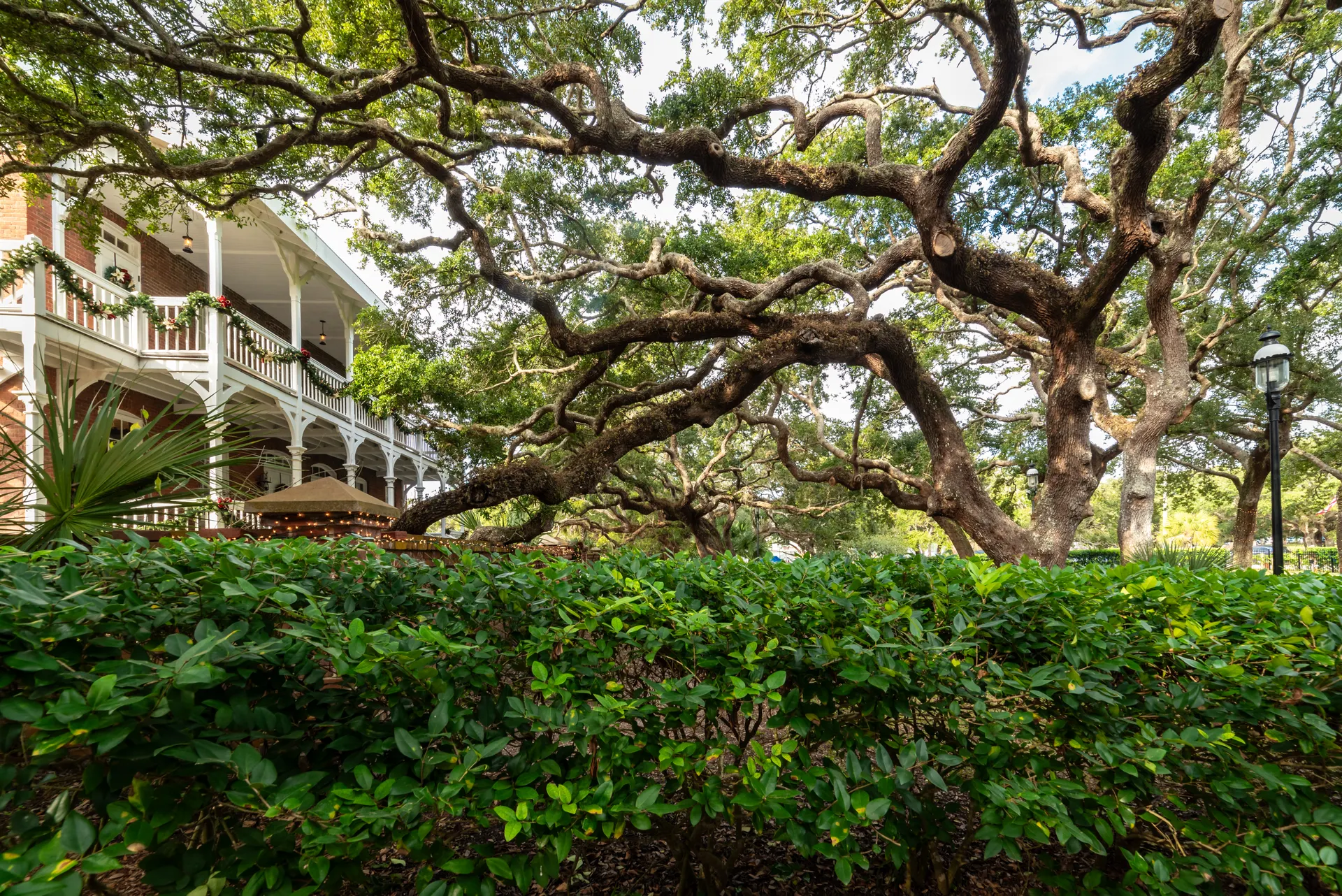
Frisco's canopy makes this a recurring call rather than a rare one. Most of the area's subdivisions — Frisco proper, and the newer Windsong Ranch and Star Trail sections of Prosper — were planted with nursery-grown shade trees inside the same handful of building years, and young oaks grown fast in a nursery row commonly develop co-dominant stems with included bark that only becomes obvious once the tree is thirty feet tall and both leaders are load-bearing. That maturing-together pattern is why an arborist walking one Frisco block can flag the same structural defect on three or four trees planted the same spring.
The failure mode isn't the same everywhere in the service area, either. On the Blackland Prairie clay under Frisco and Prosper, seasonal heave and shrink work at the root plate itself, so a weak union under stress from below behaves differently than the same union out toward Little Elm and The Colony, where sandier Cross Timbers soil and open water off Lewisville Lake load the canopy from above with sustained wind instead. A support system gets engineered to the failure it's actually resisting — a wind-loaded horizontal limb over the lake shoreline isn't braced the same way as a clay-stressed split leader inland.
This page covers keeping a valuable tree standing through mechanical support — not tree removal, which is the call once a union or lean is past saving, and not routine tree trimming & pruning, which manages canopy shape rather than structural load. Work here follows ANSI A300 Part 3, the standard specifically governing support systems, alongside ANSI Z133 climbing safety. Call (469) 238-1159, 24 hours a day, and a specimen worth keeping gets assessed before it's written off as a removal.
What We Do
Our Tree Cabling & Bracing Services
A support system is chosen by what's actually failing — a spreading union, a split trunk, or a limb overloaded by wind — never installed as a default upsell.
Dynamic Synthetic Cabling
A dynamic system uses a synthetic cable with built-in elasticity, installed high in the canopy so the union can still flex and grow naturally instead of being locked rigid. That flex matters on a tree that's otherwise healthy, since a completely stiff restraint concentrates stress at the cable's anchor points rather than letting the wood absorb it. It's the system most often specified for a co-dominant oak whose union isn't yet failing but shows enough spread to warrant limiting movement before a storm does it for us.
Static Steel (EHS) Cabling
A static system uses extra-high-strength (EHS) steel cable set with a deliberate amount of slack, restraining a union or heavy horizontal limb far more rigidly than a dynamic line. It's the right call once a union already shows real spread or a limb's weight has moved past what a flexible system should be asked to carry. Installation still follows ANSI A300 Part 3 spacing and hardware rules — an oversized eye-bolt or a badly placed anchor point causes more harm than the defect it's meant to correct.
Threaded Brace Rods for Split Unions
A threaded brace rod is drilled straight through a split trunk or weak crotch and set with a nut on each side, physically tying the two halves back together rather than limiting how far apart they can move like a cable does. Rods get paired with a cable above the same union more often than not — the rod holds the split closed at the point of failure while the cable manages sway higher in the canopy. It's the combination most often specified on an already-split leader that's still salvageable.
The Benefits
Why Cable & Brace a Tree Instead of Removing It
A support system only makes sense when the tree underneath it is worth the ongoing attention — here's what that call actually weighs.
A Mature Specimen Isn't Replaceable on a Timeline
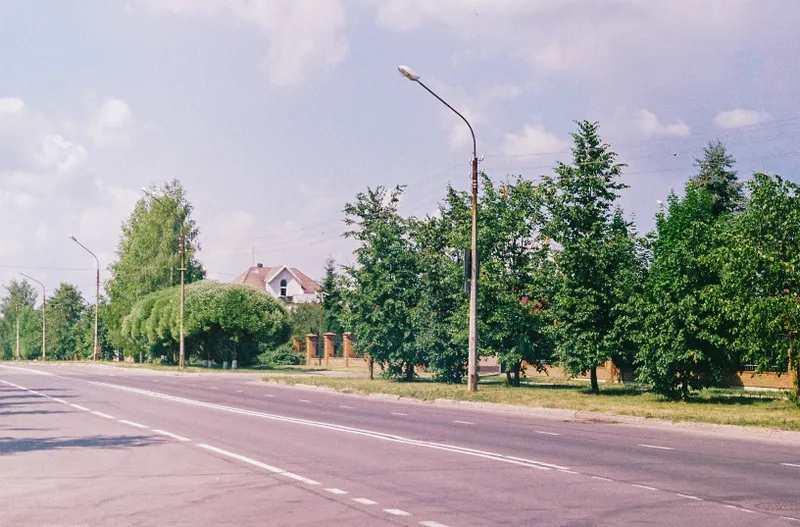
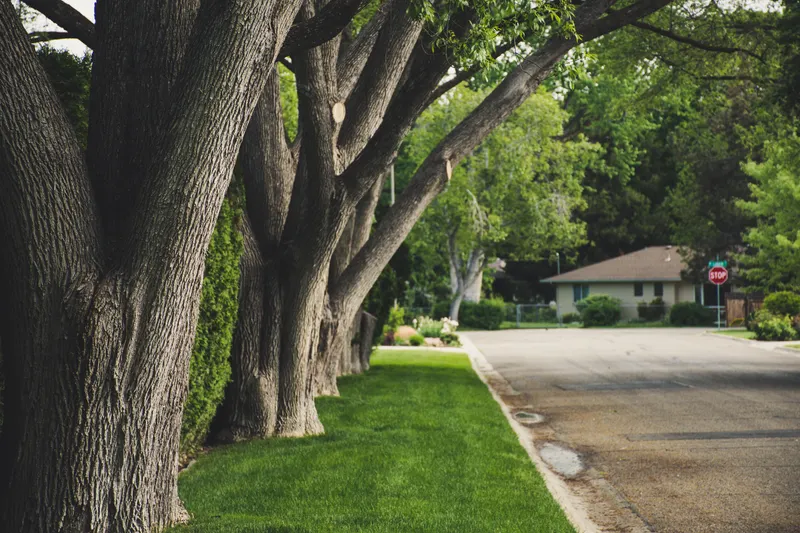
A forty-foot oak that's been shading a Frisco backyard since the subdivision was built can't be replaced by a nursery tree on any timeline that matters to the current owner — a newly planted replacement needs decades to match the shade, root stabilization, and curb presence the original tree already provides. Where a structural defect is limited to one union rather than the whole tree's health, cabling and bracing buys that specimen years, sometimes decades, it wouldn't otherwise get.
The Fix Matches the Local Failure Pattern
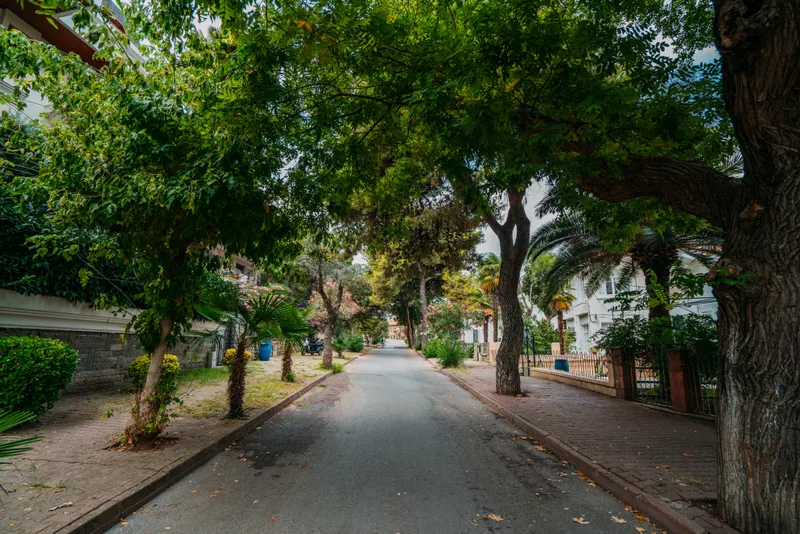
A union stressed by Blackland clay heave under Frisco or Prosper is failing from the root plate up, so the support system leans on cabling that manages canopy sway while the ground beneath keeps moving seasonally. Out toward Little Elm and The Colony, open water off Lewisville Lake loads horizontal limbs from sustained wind rather than soil movement, which more often calls for a static system on the specific limb taking the brunt of it rather than a canopy-wide dynamic install.
ANSI A300 Part 3 Makes It an Engineered Fix, Not a Decoration
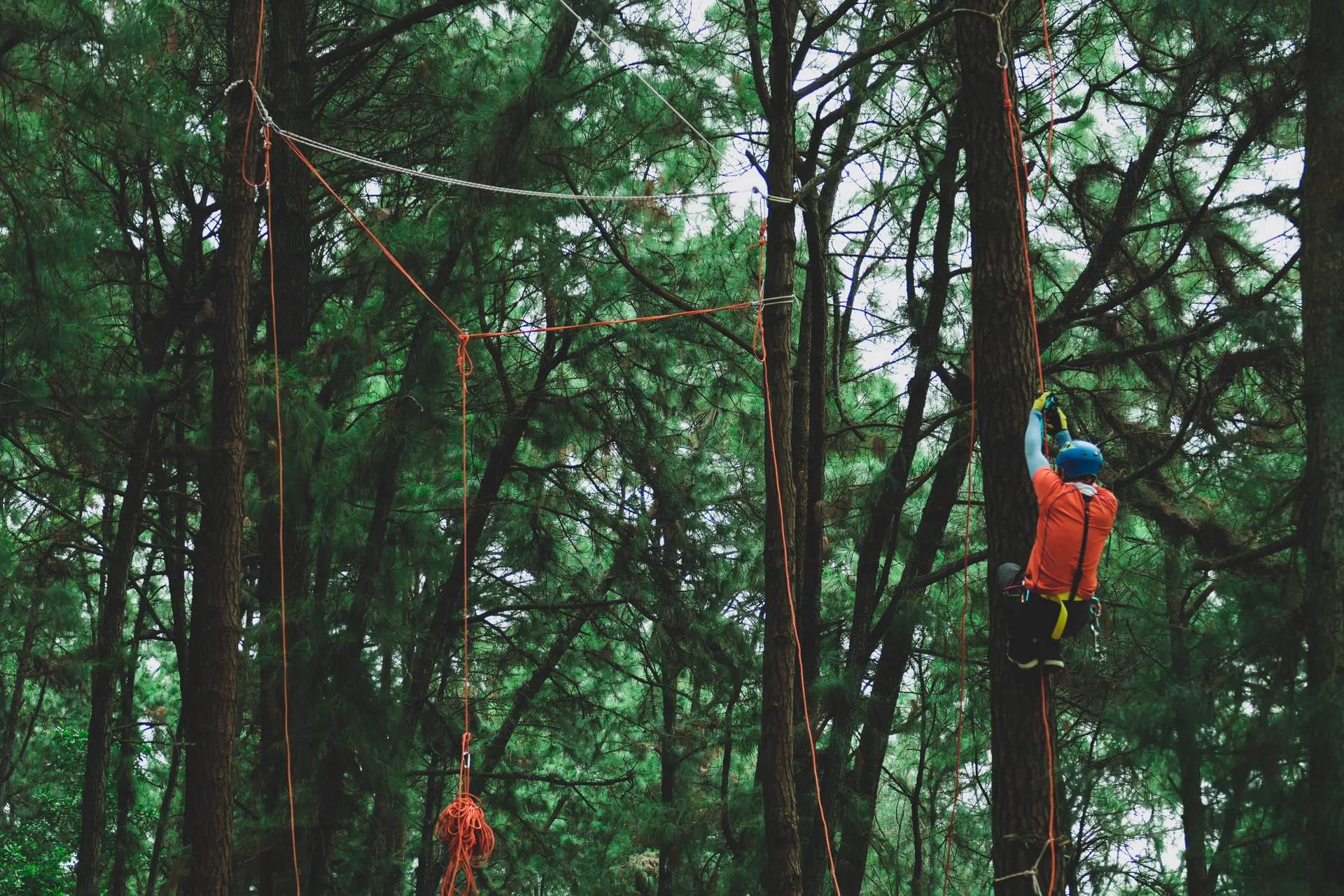
Support systems installed without regard to hardware spacing, anchor placement, or periodic reinspection can girdle the branch they're meant to protect or fail silently under the load they were sized for. ANSI A300 Part 3 sets the installation and inspection standards that keep a cable or rod doing its job for years rather than becoming its own hazard, and a system installed to that standard gets checked on a return visit rather than forgotten once it's in the tree.
Related Coordination: Removal and Pruning
Not every structural defect ends in cabling or bracing — a union with significant decay, or a tree with problems beyond one weak point, is often a tree removal call once the full picture is assessed, while a young tree still forming its shape is better served by early structural work covered on the tree trimming & pruning page.
Different Loading in Prosper and Along the Lake
Prosper's larger, older lots carry some of the area's biggest co-dominant specimens worth this kind of intervention — see tree service in Prosper, TX — while lakeside wind loading out toward Little Elm points support systems at a different set of limbs entirely. For the complete list of services coordinated across Frisco and Collin & Denton County, see our services — the same Frisco tree service crew network behind every support-system assessment here.
Frequently Asked Questions
How do I know if my tree needs cabling and bracing instead of removal?
The tree is generally a support-system candidate when the defect is isolated to one union or split rather than affecting the whole structure — a co-dominant leader with included bark, a horizontal limb that's grown heavier than its attachment point can safely carry, or a trunk that's already split but hasn't fully failed. A tree with widespread trunk decay, a heaved root plate, or dead wood throughout the canopy is usually past what a cable or rod can fix, and that's a tree removal conversation instead. An on-site assessment checks the union itself along with the rest of the tree's health before recommending either path.
What's the actual difference between dynamic and static cabling?
A dynamic system uses a synthetic cable with built-in stretch, installed to let a union keep flexing and growing rather than locking it rigid, which suits a healthy tree whose union shows early spread. A static system uses extra-high-strength (EHS) steel cable set with slack, restraining movement far more firmly, and gets specified once a union already shows real separation or a limb's weight has outgrown what flexing should be asked to manage. Choosing wrong in either direction either fails to protect the union or overloads the anchor points, so the call gets made after inspecting how far the defect has already progressed.
What is a threaded brace rod and when does a tree need one instead of a cable?
A threaded brace rod is drilled straight through a split trunk or weak crotch and secured with a nut and washer on each side, physically holding the split closed at the point of failure rather than limiting sway from above the way a cable does. A rod gets specified when a union or leader has already split partway, since a cable alone manages movement but doesn't close a gap that's already opened. Rods and cables are frequently installed together on the same tree — the rod holds the split, and a cable higher in the canopy manages ongoing sway.
How is a co-dominant union different from a normal branch attachment?
A normal branch grows out from a single dominant trunk at an angle, with the trunk's wood grain flowing continuously past the branch collar for a strong attachment. A co-dominant union forms when two stems of nearly equal size grow upward together from close to the same point, and if bark gets pinched between them as both stems thicken — included bark — the union never develops the same continuous wood connection a normal branch has. That weaker internal structure is why co-dominant unions are the single most common reason a healthy-looking tree splits without warning.
Why do so many Frisco-area subdivision trees develop this same structural defect?
Frisco, and Prosper's newer sections like Windsong Ranch and Star Trail, were largely built out and landscaped within the same handful of years, using nursery-grown shade trees that were often planted young and pruned minimally in their first seasons. A young oak or elm grown fast without early structural pruning frequently develops a co-dominant stem instead of one clear leader, and because entire streets were planted in the same building window, the same defect tends to show up on multiple trees per block once they reach thirty or forty feet. Early structural pruning on a young tree prevents most of these unions from forming in the first place.
Does cabling and bracing damage the tree during installation?
Installed correctly, a support system adds minimal wounding — hardware is set at points chosen to avoid unnecessary drilling, and ANSI A300 Part 3 spacing keeps cables from girdling the bark as the branch continues to grow in diameter. The larger risk comes from a poorly installed system: an anchor set too tight, hardware that isn't periodically checked as the tree thickens, or a cable run at the wrong height for the defect it's meant to manage. That's why installation and a scheduled reinspection go together rather than being a one-time job.
How long does a cable or brace rod system last once installed?
A properly installed system generally holds for many years, but it isn't maintenance-free — as the tree continues to grow in diameter, hardware that was correctly spaced at installation can become too tight, and a periodic reinspection catches that before it becomes a new problem the system was meant to prevent. Storm events are also worth a follow-up check, since a major wind load can shift how a cable or rod is bearing weight even if nothing visibly failed. Most systems get revisited every few years as part of routine tree health monitoring rather than left untouched indefinitely.
Can an oak with a co-dominant union still get oak wilt?
Yes — a structural union defect and disease risk are separate issues, and a cabled or braced oak carries the same oak wilt exposure as any other oak in the area. Oak wilt is confirmed in 76 Texas counties and spreads through fresh wounds via sap-feeding beetles as well as underground through root grafts to neighboring oaks, so any cutting near a supported union still needs to respect the February-through-June high-risk pruning window covered on our tree trimming & pruning page. A tree getting structural support is often exactly the kind of high-value specimen worth a separate health inspection too.
Does bracing work differently for a tree near Lewisville Lake versus one inland in Frisco or Prosper?
The underlying hardware is the same, but what it's engineered against changes with the site. Inland toward Frisco and Prosper, Blackland Prairie clay swells and shrinks seasonally and stresses the root plate itself, so a union already carrying that stress from below often gets a dynamic system that still allows natural movement. Toward Little Elm and The Colony on Lewisville Lake's sandier Cross Timbers soil, sustained open-water wind loads horizontal limbs from above instead, which more often points to a static steel system on the specific limb taking the wind's brunt rather than a whole-canopy dynamic install.
Is a cabled tree covered if it fails anyway during a bad storm?
A support system reduces the odds of failure at the specific union or limb it's installed on, but it can't guarantee outcome against an extreme wind or ice event — no cable or rod eliminates risk entirely, and any honest assessment says so rather than promising a guarantee it can't back. What it does reliably change is the failure mode: a well-supported union is far more likely to hold or fail partially than to drop the entire limb without warning. Trees carrying multiple defects, or ones in genuinely poor health, are usually better candidates for an arborist consultation and risk assessment than for support hardware alone.
Get a Support System Assessment
Cable, rod, or a combination — engineered to the union that's actually failing. Call (469) 238-1159, 24 hours a day.
(469) 238-1159